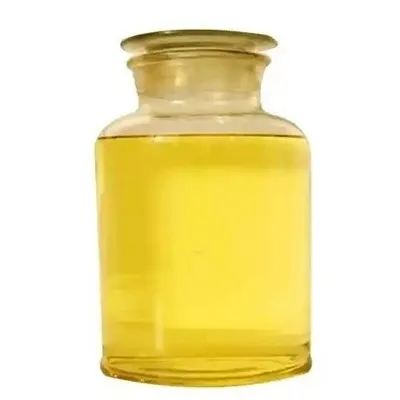
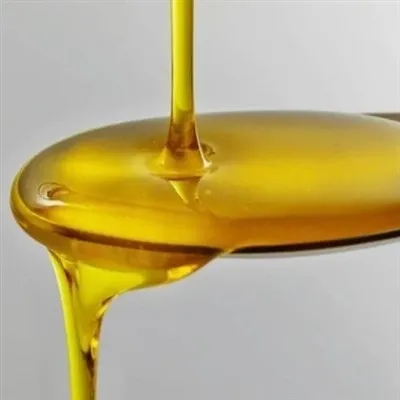
As a supplier of Vegetable Oleic Acid, I am often asked about its various applications. In this blog post, we will explore the specific applications of Vegetable Oleic Acid in meat products.
1. Flavor and Aroma Enhancement
Vegetable Oleic Acid plays a crucial role in enhancing the flavor and aroma of meat products. In the process of meat cooking, oleic acid undergoes a series of chemical reactions, such as oxidation and Maillard reaction. These reactions generate a variety of volatile compounds that contribute to the rich, savory, and characteristic flavors of cooked meat.
When added to meat products, Vegetable Oleic Acid can mimic the natural fat - like flavors found in high - quality meats. It helps to create a more intense and appealing meaty aroma, which is especially important for processed meat products. For example, in sausages and burgers, the addition of a small amount of Vegetable Oleic Acid can significantly improve their overall taste profile, making them more attractive to consumers.
2. Texture Improvement
The texture of meat products is a key factor in consumer acceptance. Vegetable Oleic Acid can act as a natural tenderizer and emulsifier in meat products. As a tenderizer, it penetrates the muscle fibers, breaking down some of the tough connective tissues. This results in a more tender and juicy meat texture.
In emulsified meat products like frankfurters and luncheon meats, Vegetable Oleic Acid helps to stabilize the fat - water emulsion. It prevents the separation of fat and water phases during processing, storage, and cooking. This ensures a homogeneous and consistent texture throughout the product. The presence of Vegetable Oleic Acid also gives the meat products a more smooth and creamy mouthfeel, enhancing the overall sensory experience.
3. Oxidation Inhibition
Oxidation is a major problem in meat products, as it can lead to the development of off - flavors, color changes, and a decrease in nutritional value. Vegetable Oleic Acid has antioxidant properties that can help to inhibit the oxidation of meat lipids.
It forms a protective layer around the fat droplets in the meat, preventing them from coming into contact with oxygen. This slows down the oxidation process, extending the shelf - life of meat products. By reducing lipid oxidation, Vegetable Oleic Acid helps to maintain the freshness and quality of the meat, keeping it looking and tasting good for a longer period.
4. Nutritional Enhancement
In addition to its sensory and preservation benefits, Vegetable Oleic Acid can also contribute to the nutritional value of meat products. It is a monounsaturated fatty acid, which is considered a "good" fat. Consuming monounsaturated fats in moderation has been associated with a number of health benefits, including reduced cholesterol levels and a lower risk of heart disease.
By incorporating Vegetable Oleic Acid into meat products, manufacturers can offer consumers a more nutritious option. This is especially relevant in today's health - conscious market, where consumers are increasingly looking for food products that are both delicious and healthy.
5. Processing Aid
Vegetable Oleic Acid can also serve as a processing aid in the production of meat products. It can reduce the friction between the meat and processing equipment, making the production process more efficient. For example, in the extrusion and molding of meat products, the addition of Vegetable Oleic Acid can prevent the meat from sticking to the equipment, reducing downtime for cleaning and maintenance.


Moreover, it can improve the flow properties of meat batters, ensuring a more uniform distribution of ingredients during mixing. This leads to a more consistent product quality and higher production yields.
Related Products
If you are interested in exploring more about oleic acid derivatives, we also offer a range of related products on our website:
- Industrial Paraffin Soap: It has various industrial applications and is made with high - quality oleic acid derivatives.
- High Purity Oleic Acid: Ideal for applications where a high level of purity is required.
- Synthetic Oleic Acid: A cost - effective alternative with consistent quality.
- Vegetable - based Oleic Acid: As a natural and sustainable option, it is widely used in the food industry, including meat products.
- Industrial Grade Oleic Acid: Suitable for a variety of industrial applications, offering reliable performance.
Contact for Purchase
If you are a meat product manufacturer or are involved in the food industry and are interested in using Vegetable Oleic Acid in your products, we would be delighted to discuss your specific needs. Our team of experts can provide you with detailed information about our products, including specifications, pricing, and delivery options. Please reach out to us for a purchase negotiation, and we look forward to establishing a long - term partnership with you.
References
- Belitz, H. - D., Grosch, W., & Schieberle, P. (2009). Food Chemistry. Springer.
- Mottram, D. S. (1998). Flavour formation in meat and meat products: a review. Food Chemistry, 62(4), 415 - 424.
- Shahidi, F., & Zhong, Y. (2010). Lipid oxidation in muscle foods: a review. Food and Bioprocess Technology, 3(1), 79 - 94.