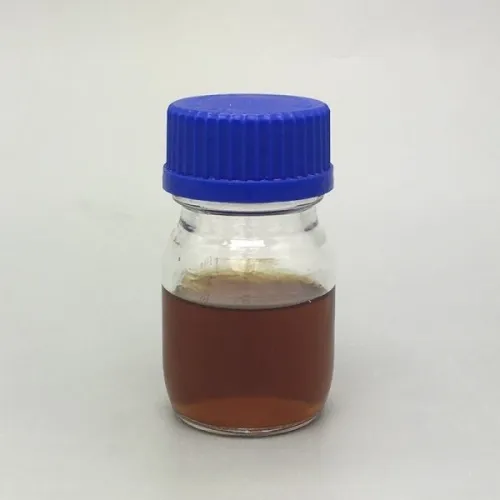
Different types of adjusting agents contain distinct active functional groups-such as acidic, alkaline, or surface-active components-which determine their specific regulatory functions within a given system. Technically, strict control is typically exercised over parameters such as pH-regulating capacity, buffering properties, solubility, viscosity adjustment range, and stability to ensure that the desired results are achieved during application.
The production of adjusting agents necessitates precise process control. In the preparation of liquid adjusting agents, parameters such as dissolution temperature, stirring speed, and component ratios must be carefully controlled to ensure compositional homogeneity and stability; conversely, for solid or powdered adjusting agents, particular attention must be paid to particle size, dispersibility, and hygroscopicity. Furthermore, the manufacturing process demands rigorous measures to prevent contamination by impurities or moisture, thereby ensuring the controllability and reproducibility of the product during use. The technical crux regarding adjusting agents lies in optimizing their dosage, method of addition, and the specific conditions under which they operate. For instance, in foaming systems, both the dosage and the stirring method directly influence the fineness and stability of the foam; similarly, in chemical reactions or water treatment processes, the precise control of pH and temperature dictates the regulatory efficiency of the adjusting agent. Mastering these technical details is instrumental in achieving highly efficient, stable, and cost-effective application outcomes in industrial production settings.