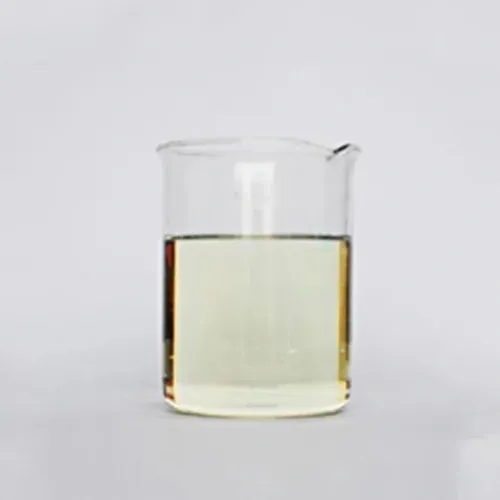
Oleic acids constitute a class of unsaturated fatty acids or their derivatives, the most representative member of which is oleic acid (C₁₈H₃₄O₂). Substances in this class typically possess one or more carbon-carbon double bonds, a structural feature that causes most of them to exist as liquid oils at room temperature. They are widely distributed in plant oils and animal fats-such as olive oil, rapeseed oil, and beef tallow-and serve as essential components of naturally occurring fatty acids.
Oleic acids are classified as monounsaturated fatty acids, characterized by the presence of an acidic carboxyl group (–COOH) and an unsaturated hydrocarbon chain (–CH=CH–). This specific molecular structure enables them to participate in various chemical reactions-such as esterification and saponification-while also endowing them with certain physiological activities. Oleic acids readily react with bases to form soaps; furthermore, they can undergo hydrogenation or oxidation reactions to yield derivatives with distinct properties, such as stearic acid and oleic acid esters.
Oleic acids find extensive application across the industrial, food, and pharmaceutical sectors. In the food industry, oleic acid serves as a primary constituent of plant oils, playing a pivotal role in both nutritional value and palatability. In the chemical and consumer goods industries, it is utilized in the manufacture of soaps, emulsifiers, lubricants, and surfactants. Within the fields of medicine and healthcare, oleic acid has also been recognized for its potential anti-inflammatory and cardioprotective effects. Given their natural origins and inherent versatility, oleic acids have established themselves as vital basic raw materials in the chemical industry.