As a supplier of flotation reagents, we often talk with mine operators about the tricky trade-offs they face when selecting collectors. Xanthates have long been the workhorse across many concentrators, as they are reliable and widely known. Yet more and more of our partners are switching to sodium diisoamyl dithiophosphate, attracted by its unique performance advantages compared with traditional xanthate products.
First off, this dithiophosphate collector offers a much better balance between collecting power and selectivity. Standard xanthates tend to collect a broad range of sulfide minerals at once, which can bring unwanted gangue and associated low-value minerals into the concentrate. Sodium diisoamyl dithiophosphate, by contrast, targets gold, silver, copper, and zinc sulfide ores, as well as some oxide ores, more selectively. It binds firmly to valuable mineral surfaces while being far less likely to collect unwanted gangue. For mines targeting precious metals, this cleaner separation can directly improve concentrate grade without sacrificing metal recovery.
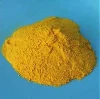
Another major advantage is its intrinsic foaming capacity. Most xanthates require additional frothing agents to be added to the pulp to produce a stable froth, which complicates dosing control and increases overall reagent costs. Our sodium diisoamyl dithiophosphate is a brownish-yellow liquid with strong built-in foaming properties. It forms a stable, well-structured froth without requiring as much additional frother. This simplifies the overall dosing scheme, reduces the number of chemicals that need to be stored and handled on site, and makes the flotation circuit easier for operators to stabilize day in and day out.
It also performs reliably under tough and complex pulp conditions. Many deposits contain high levels of interfering ions, fluctuating pH, and mixed oxide-sulfide fractions, all of which can reduce the effectiveness of xanthates and cause significant fluctuations in flotation performance. Thanks to its molecular structure, sodium diisoamyl dithiophosphate shows excellent resistance to interference and stable performance in such harsh environments. It does not break down easily, helping deliver consistent results even when ore feed composition changes. That reliability matters enormously for continuous production.
When it comes to consumption, it also offers a clear advantage. Users consistently report that it works effectively at lower addition rates than common xanthate collectors. Even at a lower dosage, it can maintain high recovery rates. Over months of operation, reduced reagent consumption can help mines lower their chemical costs. Combined with fewer process upsets and less rework caused by poor separation, it delivers solid overall value and a favorable cost-performance ratio. It fits smoothly into nearly all conventional flotation flowsheets, so mines do not need major equipment modifications to test or adopt it.
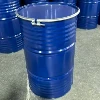
Of course, every reagent has its proper operating window. We always remind our customers that it still needs to be stored properly, away from acids, heat, and direct sunlight, just like other sulfur-bearing flotation chemicals. As your reagent supplier, our job is not only to deliver this collector in 210 kg or 1,100 kg packages with a purity above 45%, but also to provide practical dosing guidance tailored to your specific ore.
For mines tired of dealing with unstable froth, poor selectivity, and high reagent costs when using traditional xanthates, sodium diisoamyl dithiophosphate offers a practical upgrade. It can help achieve higher recovery, cleaner concentrates, and smoother plant operation. Our technical team remains ready to recommend comparative testing and help you find the best dosing strategy for your mineral processing line.