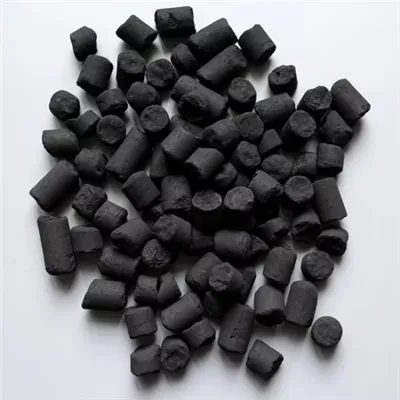
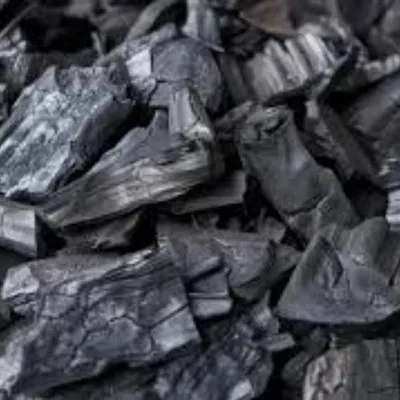
As a supplier of High Purity Activated Carbon, I've seen firsthand how crucial proper storage is. High Purity Activated Carbon, which you can learn more about High Purity Activated Carbon, is an amazing product with a wide range of applications. But if it's not stored right, its performance can take a nosedive.
Why Proper Storage Matters
First off, let's talk about why it's so important to store this stuff correctly. High Purity Activated Carbon has a super high surface area and is extremely porous. This gives it the ability to adsorb all sorts of impurities, which is why it's used in water treatment, air purification, and even in the food and beverage industry. But if it's exposed to the wrong conditions during storage, it can start adsorbing things from the environment. This means it'll have less capacity to do its job when you actually use it.
Ideal Storage Conditions
Temperature
The temperature plays a huge role in storing High Purity Activated Carbon. You want to keep it in a cool place. High temperatures can speed up chemical reactions and cause the carbon to lose its effectiveness. A good rule of thumb is to store it at a temperature below 30°C (86°F). If it gets too hot, the carbon might start to break down or react with any moisture in the air, reducing its adsorption capacity.
Humidity
Humidity is another big factor. Activated carbon loves to soak up water vapor. If the storage area is too humid, the carbon will adsorb the moisture. Once it's saturated with water, it won't be able to adsorb other contaminants as well. So, aim for a relative humidity of less than 60%. You might even want to use dehumidifiers in the storage space to keep the humidity in check.
Air Quality
The air around the stored carbon should be clean. Avoid storing it near sources of pollution or strong chemicals. If the carbon is exposed to fumes or other pollutants in the air, it'll start adsorbing them. This can change the chemical properties of the carbon and make it less effective for its intended use. For example, if it's going to be used in a water purification system and it's been exposed to industrial fumes during storage, it might release those contaminants into the water instead of removing them.
Storage Containers
Sealed Bags or Drums
One of the best ways to store High Purity Activated Carbon is in sealed bags or drums. These containers help protect the carbon from moisture, air, and other contaminants. Make sure the bags or drums are made of materials that are resistant to corrosion and won't react with the carbon. For example, polyethylene bags are a popular choice because they're durable and can keep out moisture.
Labeling
Don't forget to label the storage containers clearly. Write down the type of activated carbon (like High Purity Activated Carbon, Coconut Activated Carbon, Industrial Grade Activated Carbon, Wood Based Activated Carbon, or Acid Washed Activated Carbon), the date of receipt, and any other relevant information. This will make it easier to keep track of your inventory and ensure you're using the oldest carbon first.
Handling During Storage
Avoiding Contamination
When you're moving the stored carbon around, be really careful not to contaminate it. Use clean tools and equipment. If you're transferring the carbon from one container to another, make sure the new container is clean and dry. Also, don't let the carbon come into contact with dirty surfaces or other substances that could contaminate it.
Stacking
If you're stacking the storage containers, do it in a way that won't damage the containers or the carbon inside. Don't stack them too high, as this could cause the containers at the bottom to break or leak. And make sure the stack is stable so it doesn't topple over.
Monitoring and Inspection
Regular Checks
It's a good idea to do regular checks on your stored High Purity Activated Carbon. Look for any signs of damage to the storage containers, like leaks or tears. Check the carbon itself for any signs of discoloration, clumping, or other changes. If you notice any issues, it could mean the carbon has been exposed to bad storage conditions and might not be as effective.
Testing
Periodically, you might want to test the carbon to make sure it's still performing as expected. There are various tests you can do, like measuring its adsorption capacity or checking its physical properties. This will help you catch any problems early and take the necessary steps to fix them.
Conclusion
Proper storage of High Purity Activated Carbon is essential to maintain its quality and effectiveness. By following the guidelines I've shared, you can ensure that your carbon is in top-notch condition when it's time to use it. Whether you're using it for water treatment, air purification, or any other application, taking care of your carbon during storage will make a big difference in its performance.
If you're in the market for High Purity Activated Carbon or have any questions about storage or usage, don't hesitate to reach out. We're here to help you get the most out of this amazing product. Whether you need more information about High Purity Activated Carbon or want to discuss your specific requirements, we're just a message away. Let's start a conversation and find the best solution for your needs.
References
- "Activated Carbon: Manufacture, Properties, and Applications" by Robert W. Smith
- "Handbook of Carbon-Based Adsorbents" by Francik Bansal and Monika Goyal