Animal oleic acid is a significant fatty acid with a wide range of applications across various industries. As a reputable supplier of animal oleic acid, I am delighted to share in - depth knowledge about its physical properties.
1. Chemical Structure and Basic Information
Animal oleic acid, also known as cis - 9 - octadecenoic acid, has a chemical formula of C₁₈H₃₄O₂. Its structure consists of an 18 - carbon chain with a single double bond at the 9th carbon position, making it a monounsaturated fatty acid. The presence of this double bond is crucial as it imparts unique physical and chemical properties to oleic acid.
2. Physical State at Room Temperature
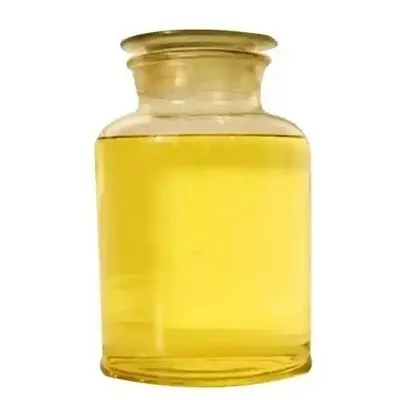
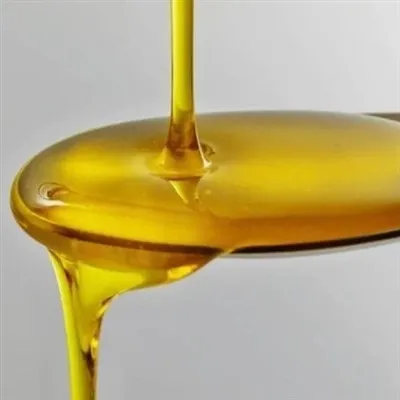
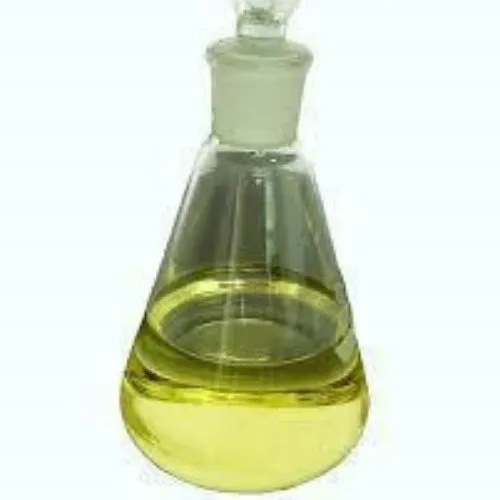
At room temperature (around 20 - 25°C), animal oleic acid exists as a pale - yellow, oily liquid. This liquid state is due to the relatively long hydrocarbon chain and the unsaturated double bond. The double bond introduces a kink in the carbon chain, preventing the molecules from packing tightly together. In contrast, saturated fatty acids with straight - chain structures can pack more closely, resulting in a solid state at room temperature. This property of being a liquid at room temperature makes animal oleic acid easy to handle and use in many industrial processes, such as in the formulation of lubricants and in the production of cosmetics.
3. Melting and Boiling Points
The melting point of animal oleic acid is approximately 13.4°C. This relatively low melting point is again attributable to the unsaturated double bond in its structure. The kink in the carbon chain disrupts the regular packing of molecules, reducing the intermolecular forces (such as van der Waals forces) that hold the molecules together in a solid - state. As a result, less energy is required to break these forces, leading to a lower melting point.
The boiling point of oleic acid is around 360°C at atmospheric pressure. The long hydrocarbon chain contributes to the high boiling point as more energy is needed to overcome the intermolecular forces between the relatively large and non - polar molecules. This high boiling point allows oleic acid to be used in high - temperature applications, for example, in heat - transfer fluids.
4. Density
The density of animal oleic acid is about 0.895 g/cm³ at 20°C. This density value indicates that oleic acid is less dense than water. When oleic acid is mixed with water, it will float on the surface due to its lower density. This property is important in applications where separation of oleic acid from water or other substances is required. In industrial processes such as wastewater treatment, the difference in density between oleic acid and water can be utilized to separate oleic acid from aqueous solutions.
5. Solubility
- Solubility in Organic Solvents: Animal oleic acid is highly soluble in organic solvents such as ethanol, ether, and chloroform. This solubility is due to the non - polar nature of the hydrocarbon chain in oleic acid, which is similar to the non - polar nature of many organic solvents. The principle of "like dissolves like" applies here. The non - polar hydrocarbon chains of oleic acid interact well with the non - polar molecules of the organic solvents through van der Waals forces, allowing oleic acid to dissolve.
- Solubility in Water: Oleic acid is only slightly soluble in water. The long non - polar hydrocarbon chain dominates the molecule's properties, and water is a polar solvent. The polar water molecules are more attracted to each other through hydrogen bonding than to the non - polar oleic acid molecules. However, the carboxylic acid group at one end of the oleic acid molecule is polar, which allows for a very limited interaction with water molecules, resulting in minimal solubility. This limited solubility in water is important in applications such as oil - in - water emulsions in the food and cosmetic industries.
6. Viscosity
Oleic acid has a relatively high viscosity compared to small - molecule solvents. The intermolecular forces between the long hydrocarbon chains of oleic acid molecules, mainly van der Waals forces, contribute to its viscosity. The presence of the double bond in the chain affects the shape of the molecule and the way the molecules interact with each other, influencing the flow behavior. In applications where viscosity is an important parameter, such as in the formulation of lubricants, the viscosity of animal oleic acid can be adjusted by mixing it with other substances or by modifying its chemical structure.
7. Refractive Index
The refractive index of animal oleic acid is approximately 1.4582 at 20°C. The refractive index is a measure of how light is bent when it passes through a substance. It is related to the density and the molecular structure of the substance. In oleic acid, the long hydrocarbon chain and the presence of the double bond affect the optical properties of the molecule, resulting in a specific refractive index. The refractive index can be used as a quality control parameter in the production and purification of animal oleic acid.
8. Comparison with Other Types of Oleic Acid
- Vegetable - based Oleic Acid: Vegetable - based Oleic Acid is derived from plant sources such as olive oil, sunflower oil, etc. While the basic physical properties of vegetable - based and animal oleic acid are similar, there may be slight differences in impurity profiles and trace element contents. For example, vegetable - based oleic acid may contain more natural antioxidants derived from the plant sources, which can affect its stability.
- Natural Oleic Acid: Natural Oleic Acid can come from both animal and vegetable sources. It emphasizes the natural origin of the oleic acid, and its physical properties are similar to those of animal oleic acid. However, the production methods and quality control of natural oleic acid may be different, which can have a minor impact on its physical characteristics.
- Industrial Grade Oleic Acid: Industrial Grade Oleic Acid is often produced with a focus on cost - effectiveness and meeting specific industrial requirements. It may have a wider range of physical properties depending on the production process and the level of purification. For example, it may have a slightly higher melting point or different viscosity compared to high - purity grades due to the presence of impurities.
- High Purity Oleic Acid: High Purity Oleic Acid has very strict purity requirements. Its physical properties are more consistent and closer to the theoretical values. The removal of impurities ensures that its melting point, boiling point, and other physical characteristics are more accurately defined, which is crucial for applications in industries such as pharmaceuticals and high - precision chemical manufacturing.
- Unsaturated Oleic Acid: Unsaturated Oleic Acid refers to the general category of oleic acid with the characteristic unsaturated double bond. Animal oleic acid is one type of unsaturated oleic acid. The unsaturation is responsible for many of its unique physical properties, such as low melting point and good fluidity.
Conclusion
Understanding the physical properties of animal oleic acid is essential for its successful application in various industries, including food, cosmetics, lubricants, and pharmaceuticals. As a reliable supplier of animal oleic acid, we are committed to providing high - quality products that meet the diverse needs of our customers. Whether you are looking for a specific grade of oleic acid or need technical support related to its use, we are here to assist you. If you are interested in purchasing animal oleic acid or have any questions regarding our products, please feel free to contact us for further discussions. Our team of experts will be more than happy to provide you with detailed information and support to ensure a smooth procurement process.

References
- Buchholz, K., & Meier, M. A. R. (2008). Fatty acid - based polymers and composites. Macromolecular Biotechnology, 8(2), 109 - 119.
- Gunstone, F. D., Harwood, J. L., & Padley, F. B. (Eds.). (2007). The lipid handbook. CRC press.
- Nunez, M. E., & Mendez, M. (2002). Surface properties of oleic acid and its mixtures with water. Langmuir, 18(2), 440 - 444.