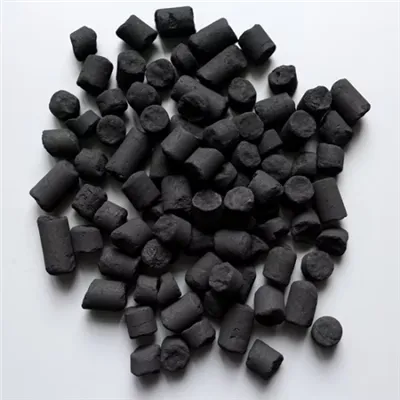
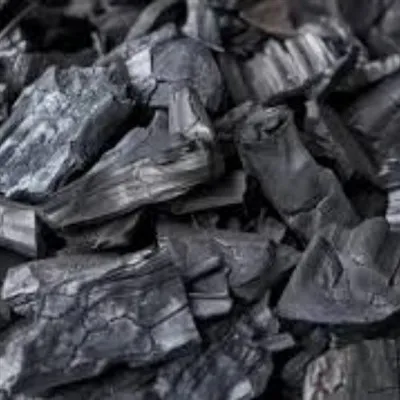
Coal based activated carbon is a widely used adsorbent material with a diverse range of applications, from water purification to air filtration and industrial processes. As a leading supplier of coal based activated carbon, I am often asked about the production process. In this blog post, I will take you through the detailed steps of how coal based activated carbon is produced.
Raw Material Selection
The first and crucial step in producing coal based activated carbon is the selection of the right raw material - coal. Different types of coal have varying properties, which can significantly impact the quality of the final activated carbon product. Anthracite coal is often preferred due to its high carbon content, low ash, and sulfur content. Bituminous coal can also be used, but it usually requires more processing to achieve the desired quality.
We carefully source our coal from reliable mines, ensuring that it meets our strict quality standards. The coal is then analyzed for its chemical composition, calorific value, and other physical properties. This analysis helps us determine the best processing methods and parameters to produce high - quality activated carbon.
Coal Preparation
Once the coal is sourced, it undergoes a preparation process. The first stage is crushing and grinding. The large coal chunks are crushed into smaller pieces using crushers. These smaller pieces are then further ground into a fine powder in ball mills or other grinding equipment. The particle size of the coal powder is crucial as it affects the subsequent activation process. A finer powder generally leads to a more efficient activation and a higher surface area of the final activated carbon.
After grinding, the coal powder may be mixed with binders in some cases. Binders are used to improve the mechanical strength of the activated carbon particles. Commonly used binders include coal tar, pitch, or synthetic polymers. The binder is mixed with the coal powder in a specific ratio, and the mixture is kneaded to ensure uniform distribution.
Carbonization
The next step is carbonization. The prepared coal powder or the mixture with binder is placed in a carbonization furnace. The furnace is heated to a high temperature, usually in the range of 400 - 800 degrees Celsius, in an oxygen - free environment. This is typically achieved by using an inert gas such as nitrogen to displace the oxygen.
During carbonization, volatile components in the coal, such as hydrocarbons, are driven off. The coal loses its original structure and is transformed into a carbonaceous material with a porous structure. The carbonization process also helps in improving the carbon content of the material, as the non - carbon elements are removed. The duration of the carbonization process depends on factors such as the type of coal, the furnace temperature, and the desired properties of the intermediate product.
Activation
Activation is the key step that gives activated carbon its high adsorption capacity. There are two main methods of activation: physical activation and chemical activation.
Physical Activation
In physical activation, the carbonized material is further treated with an activating agent, usually steam or carbon dioxide. The carbonized material is placed in an activation furnace, and the activating agent is introduced at high temperatures, typically between 800 - 1000 degrees Celsius. The steam or carbon dioxide reacts with the carbon atoms on the surface of the carbonaceous material, creating additional pores and increasing the surface area.
The activation process is a complex chemical reaction. For example, when steam is used as the activating agent, the following reaction occurs: C + H₂O → CO + H₂. This reaction consumes carbon atoms on the surface, creating microscopic pores. The duration and temperature of the activation process are carefully controlled to achieve the desired pore size distribution and surface area. A longer activation time and higher temperature generally result in a higher surface area but may also lead to a loss of mechanical strength.
Chemical Activation
Chemical activation involves the use of chemicals such as zinc chloride, phosphoric acid, or potassium hydroxide. The coal powder or the carbonized material is impregnated with the chemical activating agent. The impregnated material is then heated in an inert atmosphere at a relatively lower temperature compared to physical activation, usually between 400 - 700 degrees Celsius.
The chemical agents react with the carbon and help in the formation of pores. For example, when zinc chloride is used, it dehydrates the coal and promotes the formation of a porous structure during heating. Chemical activation often results in a more developed pore structure and a higher surface area compared to physical activation. However, it also requires additional steps to remove the chemical residues from the final product.
Post - Treatment
After activation, the coal based activated carbon undergoes post - treatment processes. The first step is washing. If chemical activation is used, the activated carbon is washed thoroughly to remove the chemical residues. Water is commonly used for washing, and in some cases, acid or alkaline solutions may be used to enhance the removal of impurities.
The washed activated carbon is then dried to remove the moisture content. The drying process is carried out at a controlled temperature to prevent damage to the pore structure. After drying, the activated carbon may be sieved to separate the particles according to their size. This ensures a uniform particle size distribution, which is important for many applications.
Quality Control
At every stage of the production process, quality control is of utmost importance. We conduct a series of tests on the final activated carbon product to ensure that it meets the required standards. These tests include measurement of surface area using techniques such as the BET method, determination of pore size distribution, analysis of ash and moisture content, and evaluation of adsorption capacity for specific pollutants.
We also test the mechanical strength of the activated carbon particles, especially for applications where the carbon is subject to physical stress. Our quality control team uses advanced equipment and follows strict testing protocols to ensure that only high - quality activated carbon leaves our production facility.
Applications and Comparison with Other Types of Activated Carbon
Coal based activated carbon has a wide range of applications. It is commonly used in water treatment plants to remove organic and inorganic contaminants, heavy metals, and chlorine. In the air purification industry, it is used to adsorb volatile organic compounds (VOCs), odors, and harmful gases. It is also used in the food and beverage industry, pharmaceuticals, and many other industrial processes.
Compared to other types of activated carbon such as Wood Based Activated Carbon, Coconut Activated Carbon, coal based activated carbon generally has a higher density and a more developed microporous structure. This makes it particularly suitable for applications where high adsorption capacity for small molecules is required. Acid Washed Activated Carbon and High Purity Activated Carbon are often derived from coal based activated carbon through additional purification processes. Industrial Grade Activated Carbon, which is widely used in industrial applications, is also commonly based on coal.


Conclusion
The production of coal based activated carbon is a complex process that involves multiple steps, from raw material selection to post - treatment and quality control. Each step plays a crucial role in determining the quality and performance of the final product. As a supplier of coal based activated carbon, we are committed to using the best raw materials and the most advanced production techniques to ensure that our customers receive high - quality products.
If you are interested in learning more about our coal based activated carbon products or are looking to make a purchase, please feel free to reach out. We are happy to discuss your specific requirements and provide you with the right solution for your application.
References
- "Activated Carbon: Surface Chemistry, Adsorption, and Catalysis" by Tien, C. and Hameed, B.H.
- "Carbon Materials for Catalysis" edited by Schwarz, J.A., Tompkins, F.C., and McCarthy, M.I.
- Journal articles on activated carbon production and applications from leading scientific journals such as Carbon and Journal of Chemical Technology and Biotechnology.