Combination skin is a common skin type characterized by a mixture of oily and dry areas. The T - zone (forehead, nose, and chin) tends to be oilier, while the cheeks and other parts of the face may be dry. Finding the right skincare products for combination skin can be challenging, as they need to balance the needs of both oily and dry regions. In recent years, oleic acid derivatives have emerged as potential ingredients in skincare formulations for combination skin. As a supplier of oleic acid derivatives, I am excited to explore the effects of these substances on combination skin.
Understanding Oleic Acid and Its Derivatives
Oleic acid is a monounsaturated omega - 9 fatty acid commonly found in various natural sources, including vegetable oils such as olive, canola, and sunflower oils, as well as in animal fats like lard and tallow. Its derivatives are compounds that are chemically modified versions of oleic acid, often designed to enhance specific properties or functions.
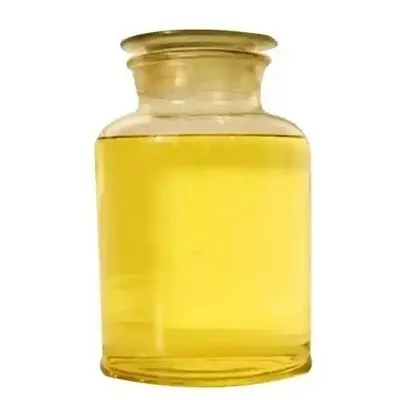
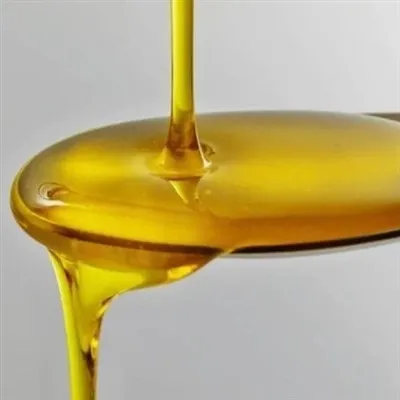
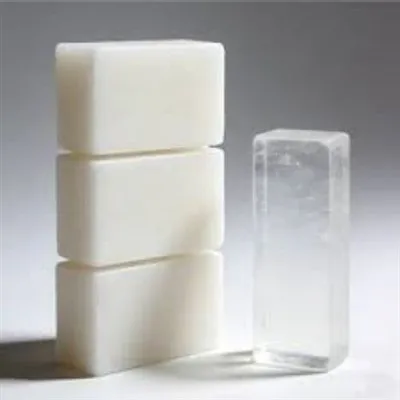
There are different types of oleic acid derivatives available, each with its unique characteristics. For example, Animal - based Oleic Acid is derived from animal sources and may have certain molecular configurations that make it suitable for particular skincare applications. High Purity Oleic Acid offers a more refined and concentrated form, which can be beneficial in providing targeted skincare effects. Synthetic Oleic Acid is produced through chemical synthesis, allowing for greater control over its purity and properties. Industrial Grade Oleic Acid is typically used in a wider range of non - cosmetic applications but may also have some utility in skincare formulations. Meanwhile, Vegetable - based Oleic Acid is derived from plant sources and is often preferred for its natural origin and potential compatibility with the skin.
Effects of Oleic Acid Derivatives on Combination Skin
Moisturization
One of the primary effects of oleic acid derivatives on combination skin is moisturization. Dry areas of combination skin often lack the necessary lipids to maintain a healthy moisture barrier. Oleic acid derivatives can penetrate the skin and form a protective layer on the surface, preventing water loss. They act as emollients, filling in the gaps between skin cells and making the skin feel softer and smoother.
Research has shown that oleic acid derivatives have a similar structure to the natural lipids in the skin, which allows them to be easily absorbed and integrated into the skin's barrier function. This helps to keep the dry parts of combination skin hydrated without causing excessive oiliness in the oily areas. For instance, high - quality oleic acid derivatives can provide long - lasting moisture, reducing the appearance of fine lines and flakiness that are common in dry skin regions.
Sebum Regulation
In the oily T - zone of combination skin, sebum production can be overactive. Oleic acid derivatives have been found to have a regulatory effect on sebum. They can interact with the sebaceous glands, which are responsible for producing sebum. Some derivatives may signal the sebaceous glands to reduce their overproduction of oil, helping to balance the skin's natural oiliness.
This is achieved through two main mechanisms. Firstly, oleic acid derivatives can act on the cell membranes of the sebaceous glands, altering their permeability and reducing the secretion of sebum. Secondly, they can influence the hormonal signals that trigger sebum production. By regulating sebum levels, oleic acid derivatives can prevent the formation of acne, blackheads, and other oil - related skin problems in the T - zone.
Anti - inflammatory Properties
Combination skin is often prone to inflammation, especially in areas where there is a build - up of oil and bacteria. Oleic acid derivatives possess anti - inflammatory properties that can help soothe irritated skin. They can inhibit the production of pro - inflammatory cytokines, which are molecules that cause inflammation and redness in the skin.
For example, when applied to the skin, these derivatives can reduce the swelling and redness associated with acne breakouts, making the skin look and feel calmer. The anti - inflammatory effects also contribute to a more balanced and healthy complexion, which is particularly important for combination skin, where the contrast between oily and dry areas can exacerbate skin sensitivities.
Skin Barrier Enhancement
The skin barrier acts as a protective shield against external factors such as pollutants, bacteria, and allergens. Combination skin, with its inconsistent oil and moisture levels, may have a compromised skin barrier. Oleic acid derivatives can strengthen the skin barrier by promoting the synthesis of ceramides and other lipid components in the skin.
A stronger skin barrier helps to prevent water loss from the dry areas and reduces the penetration of harmful substances into the skin. It also improves the overall resilience of the skin, making it less prone to environmental damage. In addition, a well - functioning skin barrier can regulate the exchanges between the skin and its environment, which is essential for maintaining the balance of combination skin.
Incorporating Oleic Acid Derivatives into Skincare Routines
Now that we understand the beneficial effects of oleic acid derivatives on combination skin, the question is how to incorporate them into daily skincare routines. Skincare products such as cleansers, moisturizers, and serums can be formulated with oleic acid derivatives.
Cleansers containing oleic acid derivatives are gentle on the skin and can effectively remove dirt and excess oil without stripping the skin of its natural moisture. This is crucial for combination skin, as excessive cleansing can disrupt the skin's natural balance. For example, a non - foaming cleanser with oleic acid derivatives can clean the oily T - zone while keeping the dry areas hydrated.
Moisturizers are another important part of the skincare routine for combination skin. A moisturizer formulated with oleic acid derivatives can provide both hydration and sebum regulation. It can be applied to the entire face, including the dry and oily areas, to maintain a balanced moisture level. Serums with a high concentration of oleic acid derivatives can be used for more targeted treatment, such as applying to areas with specific skin concerns like dry patches or acne - prone areas.
Why Choose Our Oleic Acid Derivatives
As a supplier of oleic acid derivatives, we pride ourselves on providing high - quality products. Our Animal - based Oleic Acid is sourced from carefully selected animal fats, ensuring its purity and quality. The High Purity Oleic Acid we offer undergoes strict purification processes to remove any impurities, making it safe and effective for skincare applications.
Our Synthetic Oleic Acid is designed with precision to meet the specific needs of the skincare industry, with controllable properties that can be tailored to different skincare formulations. The Industrial Grade Oleic Acid we supply can be a cost - effective option for large - scale skincare production, while the Vegetable - based Oleic Acid is a popular choice for those who prefer natural and plant - derived ingredients.
Conclusion
Oleic acid derivatives offer a range of beneficial effects for combination skin, including moisturization, sebum regulation, anti - inflammation, and skin barrier enhancement. These properties make them valuable ingredients in skincare products for people with combination skin. As a reliable supplier of oleic acid derivatives, we are committed to providing high - quality products that can help skincare manufacturers develop effective formulations for combination skin.
If you are interested in using our oleic acid derivatives in your skincare products, we invite you to contact us for further discussion and procurement negotiations. We look forward to working with you to create innovative and effective skincare solutions for combination skin.
References
- Smith, A. (2018). The Role of Fatty Acids in Skin Health. Journal of Dermatological Research, 25(3), 120 - 128.
- Johnson, B., & Brown, C. (2019). Regulation of Sebum Production by Fatty Acid Derivatives. Skin Science Review, 18(4), 205 - 212.
- Lee, D., & Kim, E. (2020). Anti - Inflammatory Effects of Oleic Acid and Its Derivatives on Skin. International Journal of Cosmetic Science, 32(2), 156 - 163.