As a supplier of Industrial Grade Oleic Acid, I understand that spills can occur during the handling, storage, or transportation of this chemical. Industrial Grade Oleic Acid is a widely used chemical in various industries, including the manufacturing of soaps, detergents, lubricants, and plastics. However, its spill can pose significant risks to human health, the environment, and property. Therefore, it is crucial to have effective emergency response measures in place to minimize the impact of such spills.
Understanding Industrial Grade Oleic Acid
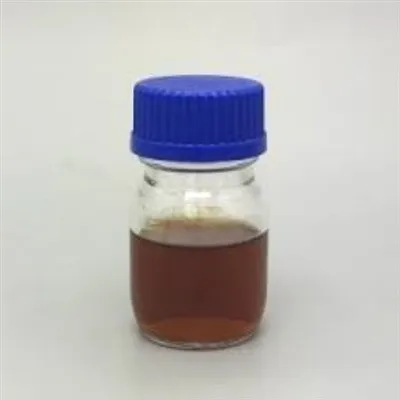
Industrial Grade Oleic Acid is a fatty acid with the chemical formula C18H34O2. It is typically derived from natural sources such as vegetable oils or animal fats. Our company offers different types of oleic acid, including Vegetable-based Oleic Acid, High Purity Oleic Acid, Natural Oleic Acid, and Animal-based Oleic Acid. While these products have different characteristics and applications, they all share the potential for spills.
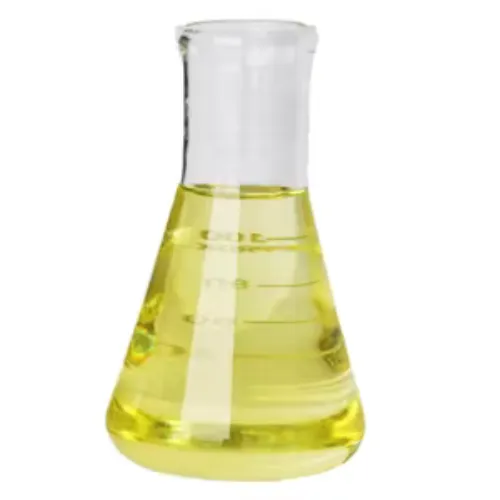
Oleic acid is a viscous liquid at room temperature, and it is flammable. In case of a fire, it can release toxic fumes. Moreover, direct contact with the skin or eyes can cause irritation, and inhalation of its vapors can lead to respiratory problems. When spilled, it can contaminate soil, water bodies, and groundwater, affecting the ecological balance and potentially harming aquatic life.
Emergency Response Planning
The first step in dealing with an Industrial Grade Oleic Acid spill is to have a well - defined emergency response plan. This plan should be developed in accordance with local, state, and federal regulations. It should clearly outline the roles and responsibilities of each member of the response team, including employees, emergency responders, and any external contractors.
The plan should also include a detailed spill response procedure. This procedure starts with the immediate notification of the spill. All employees should be trained to recognize the signs of a spill and know how to report it promptly. Once the spill is reported, the response team should be mobilized without delay.
Initial Response Actions
When an Industrial Grade Oleic Acid spill occurs, the first priority is to ensure the safety of all personnel in the vicinity. This involves evacuating the area if the spill is large or if there is a risk of fire or explosion. Evacuation routes should be clearly marked and known to all employees.
At the same time, the source of the spill should be identified and stopped as quickly as possible. This may involve shutting off valves, closing containers, or stopping the transfer process. If the spill is from a leaking container, it should be isolated to prevent further leakage and to minimize the spread of the acid.
Containment of the Spill
After ensuring safety and stopping the source, the next step is to contain the spill. This is done to prevent the acid from spreading to other areas, such as waterways, drains, or areas with high - traffic. Absorbent materials, such as sand, vermiculite, or commercial absorbents, can be used to soak up the spilled oleic acid.
Barriers can also be set up around the spill area. These barriers can be made of materials like plastic sheeting or sandbags. The goal is to create a perimeter that will hold the spilled acid in place until it can be properly cleaned up. For spills on water, floating booms can be used to contain the acid and prevent it from spreading across the water surface.
Clean - up Procedures
Once the spill is contained, the clean - up process can begin. The first step in the clean - up is to collect the absorbed oleic acid. The absorbent materials, now saturated with the acid, should be carefully removed and placed in appropriate containers. These containers should be labeled clearly to indicate that they contain hazardous waste.
If the spill has contaminated the soil, the contaminated soil may need to be excavated. The excavated soil should be treated or disposed of in accordance with environmental regulations. In some cases, the soil may be able to be remediated on - site, but this depends on the extent of the contamination.
For spills on hard surfaces, such as floors or pavements, the area should be washed thoroughly. Specialized cleaning agents may be required to ensure that all traces of the acid are removed. The wastewater generated during the cleaning process should also be treated before disposal to prevent environmental contamination.
Personal Protective Equipment (PPE)
Throughout the entire emergency response process, all personnel involved should wear appropriate personal protective equipment (PPE). This includes protective clothing, such as chemical - resistant suits, gloves, and boots. Eye protection, such as goggles, is essential to prevent acid from getting into the eyes. Respirators may also be required in cases where there is a risk of inhaling acid vapors.
The PPE should be properly maintained and inspected regularly to ensure its effectiveness. Employees should be trained on how to use and wear the PPE correctly and how to decontaminate it after use.
Environmental Monitoring
After the clean - up is completed, environmental monitoring should be carried out. This involves testing the soil, water, and air in the affected area to ensure that there are no residual levels of oleic acid above the acceptable limits. Monitoring should continue for a period of time to detect any long - term effects of the spill.
If the monitoring results indicate that there are still unacceptable levels of contamination, further remedial actions may be required. This could include additional clean - up efforts or the implementation of environmental restoration measures.
Training and Drills
To ensure the effectiveness of the emergency response measures, all employees should receive regular training on spill response. The training should cover the properties of Industrial Grade Oleic Acid, the emergency response plan, the use of PPE, and the clean - up procedures.

In addition to training, regular emergency response drills should be conducted. These drills help to familiarize employees with the response procedures and identify any areas that need improvement in the emergency response plan.
Conclusion
As a supplier of Industrial Grade Oleic Acid, I am committed to providing high - quality products and ensuring the safety of our customers and the environment. By having effective emergency response measures in place, we can minimize the risks associated with oleic acid spills.
If you are interested in purchasing Industrial Grade Oleic Acid or have any questions about our products, please feel free to contact us. We are ready to discuss your specific requirements and provide you with the best solutions for your business needs.
References
- "Chemical Safety Data Sheet for Oleic Acid", Chemical Manufacturers Association.
- "Emergency Response Guide for Hazardous Chemical Spills", Environmental Protection Agency.
- "Industrial Hygiene and Safety in the Chemical Industry", National Institute for Occupational Safety and Health.