


Potassium Ethyl Xanthate PEX | CAS 140-89-6
Bitop Bihope Qingdao Mining Co., Ltd. is one of the most reliable manufacturers and suppliers of potassium ethyl xanthate pex | cas 140-89-6 in China, also supports customized service with low price. If you're going to buy advanced potassium ethyl xanthate pex | cas 140-89-6 made in China, welcome to get pricelist and free sample from our factory.
Potassium Ethyl Xanthate (PEX) - CAS 140-89-6
Understanding Potassium Ethyl Xanthate
Potassium ethyl xanthate, also named potassium O-ethyldithiocarbonate or potassium ethylxanthogenate, is an organosulfur compound with the formula C3H5KOS2 (molecular weight 160.29), obtained by xanthation of ethanol with potassium hydroxide and carbon disulfide. PEX, CAS 140-89-6, is the potassium form of the ethyl xanthate collector.
PEX inherits the signature character of short-chain xanthates - gentle collecting power with excellent selectivity - and is therefore well suited to easy-floating sulfide ores and selective flotation of complex ores. On top of that, the potassium cation improves dissolution behaviour: stock solutions are prepared more smoothly and at higher concentration, which is a clear advantage for plants dosing in cold weather or running high-concentration reagent systems.
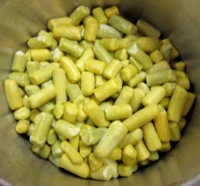
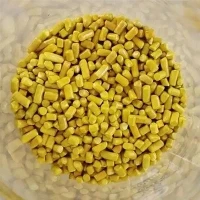
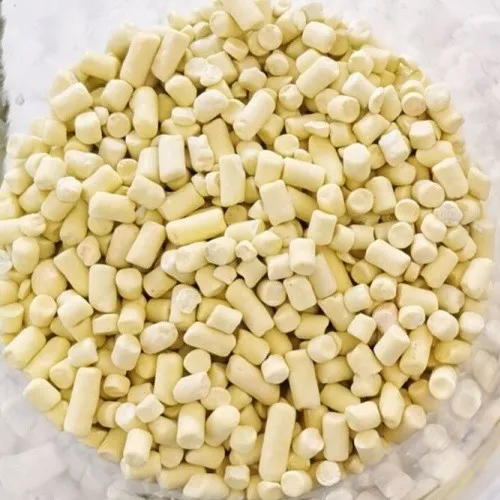
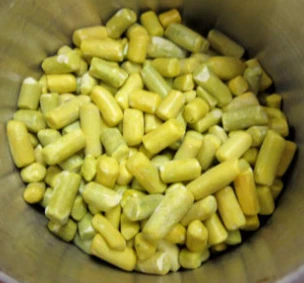
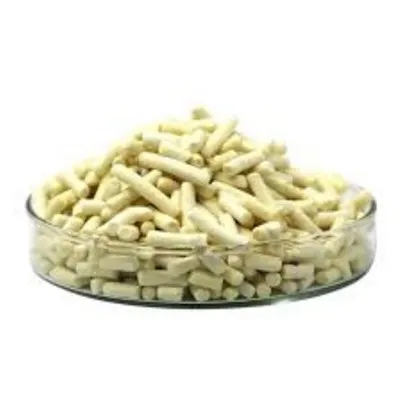
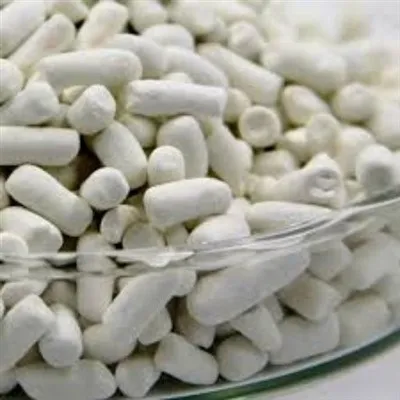
The technical product is a grey to light-grey powder or granular solid, readily soluble in water and hygroscopic, with an irritating odour. Store it dry and sealed, away from acids and oxidising agents, and reseal opened packages promptly.
Key Advantages of PEX
Excellent selectivity: the short ethyl chain identifies the target mineral precisely, with low entrainment and stable performance in selective stages.
Better dissolution: the potassium form dissolves faster and supports higher-concentration stock solutions, with good low-temperature adaptability.
Smooth dosing: stable stock solutions reduce scaling and blockage in dosing lines, making continuous feeding worry-free.
Gentle and controllable: low overdosing risk, easy-to-read froth, and fine operation control.
Uniform quality: active content of 84%–90% and low free alkali keep every batch performing alike.
Flexible packing: bags, drums and cases in various sizes; bespoke options negotiable.
Product Data & Specifications
Product Identification
|
Item |
Content |
|
Chemical Name |
Potassium O-ethyldithiocarbonate |
|
Chinese Name |
乙基黄原酸钾 |
|
Synonyms |
Potassium ethyl xanthate; Potassium ethylxanthogenate |
|
Abbreviation |
PEX |
|
CAS No. |
140-89-6 |
|
EINECS No. |
205-439-3 |
|
Molecular Formula |
C3H5KOS2 |
|
Molecular Weight |
160.29 |
|
Structural Formula |
CH3CH2OCSSK |
|
Product Category |
High-selectivity collector for sulfide flotation (xanthate series) |
Physical and Chemical Properties
|
Item |
Specification / Description |
|
Appearance |
Grey to light-grey powder or granules |
|
Odour |
Pungent odour |
|
Solubility |
Readily soluble in water and ethanol; dissolves faster than the corresponding sodium salt |
|
Hygroscopicity |
Readily absorbs moisture; keep sealed and dry |
|
Stability |
Stable when sealed and dry at ambient temperature; decomposes in acids |
|
Stock-solution behaviour |
Supports higher-concentration stock solutions and normal dissolution at low temperature |
Specification Grades (for reference)
|
Item |
Dry Product |
Synthetic Product |
|
Active content, % (min.) |
90.0 |
84.0 |
|
Free alkali, % (max.) |
0.2 |
0.5 |
|
Water and volatiles, % (max.) |
4.0 |
10.0 |
Where PEX Is Used
Selective Stage of Complex Sulfide Circuits
In separation flowsheets for copper–lead–zinc and other polymetallic ores, PEX is applied in the selective stage to recover the readily floatable target mineral first with high selectivity, reducing activation and interference for the refractory minerals downstream and preparing the pulp for subsequent separation.
Galena Preferential Stage in Lead–Zinc Separation
Combined with lime and suitable depressants, PEX preferentially floats galena while collecting sphalerite and pyrite only weakly, which simplifies the subsequent zinc–sulfur separation.
Easily Floatable Copper Sulfide Operations
It collects chalcocite, bornite and other easily floatable copper minerals well and is also used in the separation of copper–lead bulk concentrates to improve the copper concentrate grade.
Other Downstream Applications
It acts as a precipitation and separation reagent for metal ions in hydrometallurgy, a vulcanisation accelerator in rubber processing, and an intermediate for synthesising xanthate esters.
Dosing & Application Notes
Dosage Reference
A common addition rate is 10–100 g/t of ore. Start from the low end in selective stages and fine-tune according to concentrate grade and tailings loss.
Solution Preparation & Feeding
Prepare a 1%–10% aqueous solution; the potassium form also dissolves smoothly at the higher end (e.g. 5%–10%), which suits cold-season plants.
For selective stages, prefer low-concentration continuous feeding through multiple addition points so that the reagent is distributed evenly across the pulp.
Stock solutions should be used promptly; any surplus must be kept in sealed containers, away from light and in a cool place.
Operate under alkaline pulp conditions (typically adjusted with lime) and avoid strongly acidic conditions that decompose the reagent.
PEX vs SEX: How to Choose
|
Item |
PEX (Potassium Ethyl Xanthate) |
SEX (Sodium Ethyl Xanthate) |
|
Cation |
Potassium |
Sodium |
|
Colour |
Grey to light-grey |
Yellow to light-yellow |
|
Dissolution rate |
Faster; supports higher-concentration stock solutions |
Fast; standard concentrations are sufficient |
|
Low-temperature operation |
More comfortable preparation and dosing |
Good performance under ambient conditions |
|
Cost position |
Generally slightly higher than the sodium salt |
Relatively lower |
|
Common character |
Gentle collecting, excellent selectivity, suited to selective flotation |
Gentle collecting, excellent selectivity, suited to selective flotation |
Packing, Storage and Shipping
|
Packaging |
Specification |
Remarks |
|
Woven bags |
25 kg – 50 kg per bag |
moisture-barrier PE liner for flexible batch use |
|
Steel drums |
110 kg – 180 kg per drum |
tightly sealed, ideal for medium-to-long-term storage |
|
Wooden cases |
850 kg – 900 kg per case |
first choice for bulk sea freight |
Custom technical specifications and packaging can be supplied on request, subject to agreement.
The product must be kept dry; shield it from moisture, water and direct sunlight.
Store in a cool, dry, well-aired warehouse with containers firmly closed, away from fire, heat and direct sunlight.
Isolate from oxidising agents, acids and incompatible materials in storage; food, beverages and animal feed must never share storage or transport with this product.
Under ambient conditions the shelf life is about 12 months; rotate stock on a first-in-first-out basis.
Health & Safety Information
GHS Hazard Classification
|
Item |
Content |
|
Hazard classification |
Acute toxicity (oral, inhalation), Category 4; Skin irritation, Category 2; Eye irritation, Category 2 |
|
Signal word |
Warning |
|
Pictogram |
GHS07 (exclamation mark) |
|
Hazard statement H302 |
Harmful if swallowed. |
|
Hazard statement H332 |
Harmful if inhaled. |
|
Hazard statement H315 |
Causes skin irritation. |
|
Hazard statement H319 |
Causes serious eye irritation. |
|
Precautionary statements (Prevention) |
P261 Avoid breathing dust; P264 Wash thoroughly after handling; P280 Wear protective gloves / eye protection / face protection |
|
Precautionary statements (Response) |
P302+P352 Wash with plenty of water; P304+P340+P312 move to fresh air and call a POISON CENTER or doctor if unwell; P337+P313 if eye irritation persists, get medical advice |
|
Disposal |
P501 Dispose of contents / container in accordance with local regulations |
|
Environmental hazard |
Toxic to aquatic life; avoid release to the environment |
Operator Protection
Keep the workplace well ventilated and dust levels low; fit enclosed or local extraction at loading and packing stations.
Operators should wear a dust mask, protective gloves, goggles or a face shield, together with suitable work clothing.
Do not breathe in the dust and avoid skin and eye contact; wash thoroughly after every handling.
Use anti-static implements and stay away from ignition sources so that static discharge cannot start a fire.
First Aid Guidance
Inhalation: get the affected person to fresh air and keep them at rest in a comfortable position; obtain medical attention if symptoms persist.
Skin contact: take off contaminated clothing at once and rinse the skin with soap and copious water for no less than 15 minutes; consult a doctor if irritation develops.
Eye contact: rinse the eyes with plenty of water for at least 15 minutes; if contact lenses are worn and can be easily removed, take them out, continue rinsing and consult a doctor.
Ingestion: rinse the mouth with water and do not make the person vomit; never give anything by mouth to someone who is unconscious - call for medical help immediately.
Fire & Spill Response
If a fire occurs: extinguish with dry powder, carbon dioxide or alcohol-resistant foam; responding crews should don self-contained breathing apparatus.
Spill: minimise dust, put on protective equipment, gather the spill into sealed containers and keep it out of drains and waterways.
Disposal: treat waste according to local laws, regulations and environmental requirements; do not discharge it arbitrarily.
FAQ
Q1. Besides the cation, how does PEX differ from SEX?
The potassium form dissolves faster and supports higher-concentration stock solutions, which makes preparation and dosing easier in cold environments. In appearance, PEX is grey to light-grey while SEX is yellow to light-yellow. Both share the same gentle, high-selectivity collecting behaviour of ethyl xanthates.
Q2. Which ores is potassium ethyl xanthate suitable for?
It suits easy-floating sulfide ores and selective flotation of complex polymetallic sulfide ores, commonly used in the preferential flotation of galena in lead–zinc circuits, easily floatable copper mineral operations, and separation of copper–lead bulk concentrates.
Q3. Why choose the potassium form?
The potassium salt dissolves more readily than the sodium form, giving smoother stock-solution preparation and more stable solution state, which reduces scaling and maintenance in dosing systems. It suits continuous dosing and plants operating in cold climates.
Q4. What are the storage requirements and shelf life?
Keep the product dry, protected from moisture, water and direct sunlight. Store in a cool, dry, well-ventilated warehouse with containers closed tightly, away from acids and oxidising agents. The shelf life is about 12 months at ambient temperature; use in first-in-first-out order.
Q5. What packaging is available and can it be customised?
Packing is standardised: 25–50 kg woven bags, 110–180 kg steel drums or 850–900 kg wooden cases, each with a moisture-barrier inner liner. Alternative sizes and bespoke packing can be agreed with the buyer.
Q6. Do you supply samples and quality documents?
Samples, COA and SDS are available; please specify the required grade, quantity and shipping method and we will arrange accordingly.
Get a Quote
To request a quote or technical documents for Potassium Ethyl Xanthate (PEX, CAS 140-89-6), fill in the inquiry form with your target specification, quantity, packaging and destination port. Our technical team will get back to you within 24 hours.
Hot Tags: potassium ethyl xanthate pex | cas 140-89-6, China potassium ethyl xanthate pex | cas 140-89-6 manufacturers, factory, froth flotation collector, potassium alkyl xanthate, Potassium Butyl Xanthate, Potassium Isoamyl Xanthate, Sodium Butyl Xanthate, vegetable based oleic acid
Previous
No InformationYou Might Also Like
Send Inquiry