

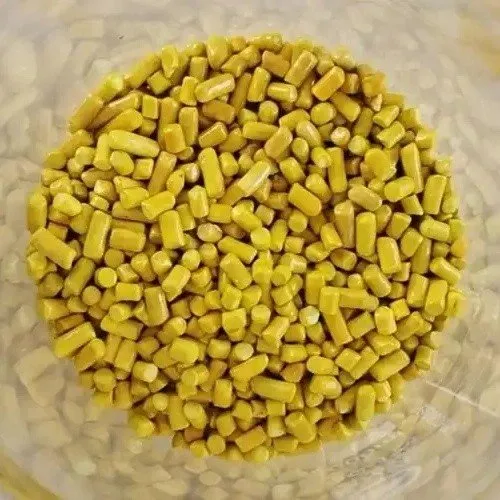
Sodium Amyl Xanthate (SAX) CAS 7607-99-0 | Sulphide Flotation Collector
Bitop Bihope Qingdao Mining Co., Ltd. is one of the most reliable manufacturers and suppliers of sodium amyl xanthate (sax) cas 7607-99-0 | sulphide flotation collector in China, also supports customized service with low price. If you're going to buy advanced sodium amyl xanthate (sax) cas 7607-99-0 | sulphide flotation collector made in China, welcome to get pricelist and free sample from our factory.
1. Product Identity
Sodium amyl xanthate, also sold as sodium pentyl xanthate and abbreviated SAX, is a water-soluble xanthate collector built on a straight five-carbon chain. Its CAS registry number is 7607-99-0 (EINECS 231-519-2), the molecular formula is C6H11NaOS2 and the molecular weight is 186.27. Under the HS nomenclature the product is classified under 2930902000, and it is regulated as a Class 4.2 substance with UN number 3342.
2. Appearance and Chemical Behaviour
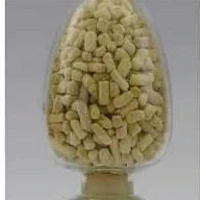
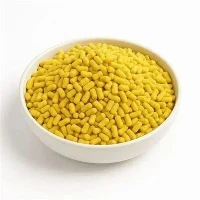
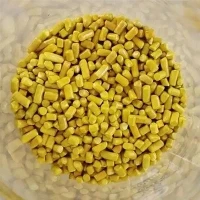
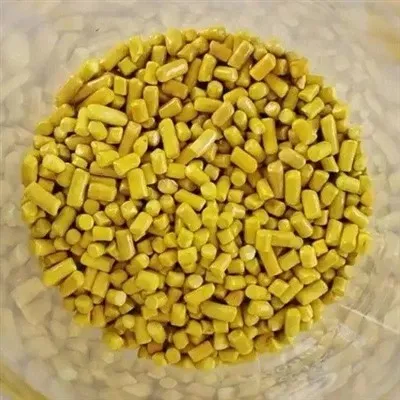
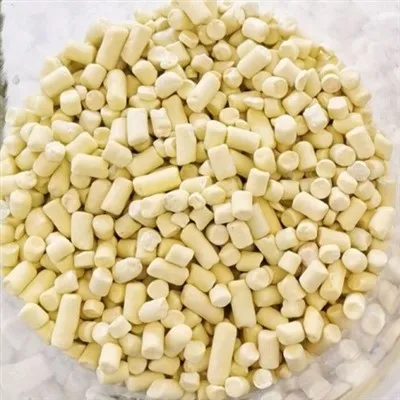
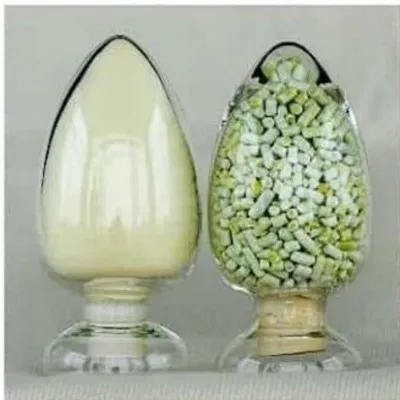
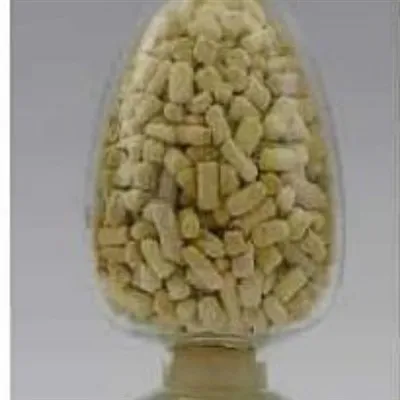
The material is supplied as a pale yellow to grey-yellow powder or extruded pellet with a sharp, thiol-like odour. Density is approximately 1.073 g/cm³. It dissolves readily in water to give a slightly alkaline solution, is partly soluble in methanol and ethanol, and is essentially insoluble in kerosene and other hydrocarbon solvents. Amyl xanthates are hygroscopic: once a bag is opened, moisture uptake causes caking and speeds up decomposition, which is why sealed storage matters more than temperature control under normal conditions. Dry material kept sealed is stable, but contact with acid or prolonged exposure above 60 °C triggers rapid breakdown with release of carbon disulphide and hydrogen sulphide.
3. Typical Specifications
|
Parameter |
Grade A (dried) |
Grade B (synthetic) |
|
Active xanthate content, % min |
90.0 |
84.0 |
|
Free alkali (as NaOH), % max |
0.2 |
0.4 |
|
Moisture and volatiles, % max |
4.0 |
10.0 |
|
Appearance |
Pale yellow powder / pellet |
Yellow powder / pellet |
Other content levels and particle sizes can be produced against agreed specifications.
4. Applications
SAX is used mainly as a flotation collector for non-ferrous sulphide ores:
Roughing and scavenging of copper-nickel sulphide ores, collecting chalcopyrite and pentlandite efficiently;
Gold-bearing pyrite and gold-copper sulphide ores, where it contributes to higher gold recovery;
Oxidised copper and lead ores (for example cerussite) that have been conditioned with sodium sulphide or sodium hydrosulphide;
Mineral conditioning ahead of hydrometallurgical extraction, and as a vulcanisation accelerator in rubber compounding.
Collecting strength rises with chain length, and the amyl group sits at the long end of the common xanthate range. Adsorption on mineral surfaces is therefore strong and hydrophobicity develops quickly, so the reagent usually outperforms ethyl and butyl xanthates on refractory, dense, high-sulphur ores and on finely disseminated material in the minus 38 µm range, at a lower dosage. The trade-off is selectivity: for flowsheets that need clean copper-lead-zinc separation and high concentrate grades, a branched isoamyl xanthate or a combination with depressants will generally serve better.
5. Recommended Practice
The reagent performs best in the pH range 7.5–11; acidic pulps simply decompose it. Dosage depends on ore mineralogy, with typical rougher additions between 30 and 150 g/t, and the optimum is best fixed by bench flotation testing. Prepare a 1–5% aqueous solution and feed it fresh - xanthate solutions hydrolyse on standing. SAX can be combined with dithiophosphates, thionocarbamates and frothers such as MIBC or pine oil in a composite reagent scheme.
6. Packaging, Storage and Transport
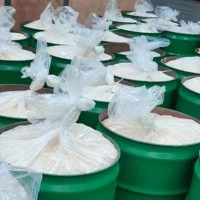
Standard packing includes 25/40/50 kg woven bags, 110–180 kg steel drums, 850 kg wooden cases and 800–1000 kg bulk bags, with custom options available. Keep the product in a cool, dry, well-ventilated warehouse, protected from moisture, rain and direct sunlight, segregated from acids and strong oxidising agents, and away from food or feed. Once opened, use the contents promptly and reseal the remainder tightly. Shelf life in sealed dry storage is normally 12 months; the certificate of analysis issued with each lot takes precedence. Ship as a Class 4.2 dangerous good and protect from rain and heat.
7. Safety
Dust irritates the skin, eyes and respiratory tract, and repeated contact may cause dermatitis. Wear a dust mask, rubber gloves and goggles, and keep the working area ventilated. In case of skin or eye contact, rinse with plenty of water for at least 15 minutes and seek medical advice if irritation persists. Carbon disulphide vapour released on contact with moisture or acid is both toxic and flammable, so keep ignition sources away from storage and dosing areas. Collect spillage with sand or another inert absorbent into a sealed container; never wash it into drains.
8. FAQ
SAX or SIAX - which one should I order? Choose SAX where collecting power is the limiting factor, such as refractory high-sulphur ores and pre-sulphidised oxidised ores. Choose the isoamyl grade when polymetallic separation and concentrate grade matter more. A side-by-side bench test on your own ore is the reliable way to decide.
Why is acidic pulp a problem? Below neutral pH the xanthate converts to xanthic acid and decomposes, wasting reagent and releasing carbon disulphide vapour.
Dried grade or synthetic grade? Dried material runs at 90% active content with low moisture and better flow; the synthetic grade at roughly 84% costs less and suits nearby, fast-turnover operations.
Hot Tags: sodium amyl xanthate (sax) cas 7607-99-0 | sulphide flotation collector, China sodium amyl xanthate (sax) cas 7607-99-0 | sulphide flotation collector manufacturers, factory
You Might Also Like

Send Inquiry