


Sodium Butyl Xanthate (Sodium O-butyldithiocarbonate) SBX | CAS 141-33-3 | C5H9NaOS2
Bitop Bihope Qingdao Mining Co., Ltd. is one of the most reliable manufacturers and suppliers of sodium butyl xanthate (sodium o-butyldithiocarbonate) sbx | cas 141-33-3 | c5h9naos2 in China, also supports customized service with low price. If you're going to buy advanced sodium butyl xanthate (sodium o-butyldithiocarbonate) sbx | cas 141-33-3 | c5h9naos2 made in China, welcome to get pricelist and free sample from our factory.
I. Product Name
Sodium Butyl Xanthate SBX 141-33-3
Basic product identification information is given in the table below.
|
Item |
Content |
|
Chemical Name |
Sodium O-butyldithiocarbonate |
|
Chinese Name |
正丁基黄原酸钠(丁基钠黄药) |
|
Synonyms |
Sodium butyl xanthate; O-Butyl hydrogen dithiocarbonate, sodium salt; Butyl xanthate sodium |
|
Abbreviation |
SBX |
|
CAS No. |
141-33-3 |
|
EINECS No. |
205-481-2 |
|
Molecular Formula |
C5H9NaOS2 |
|
Molecular Weight |
172.24 |
|
Structural Formula |
CH3CH2CH2CH2OCSSNa |
|
Product Category |
Sulfide ore flotation collector (xanthate series) |
II. Product Description
1. Product Overview
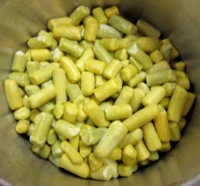
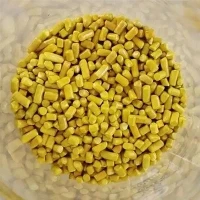
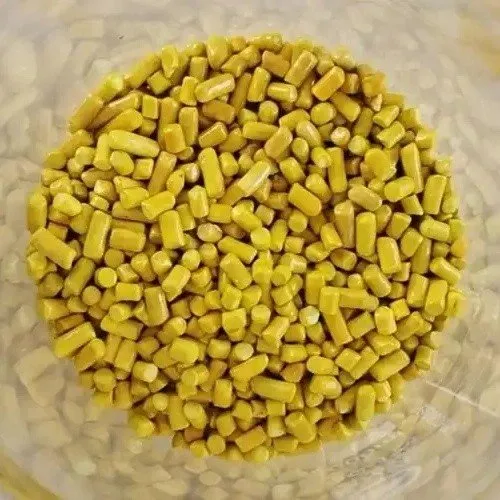
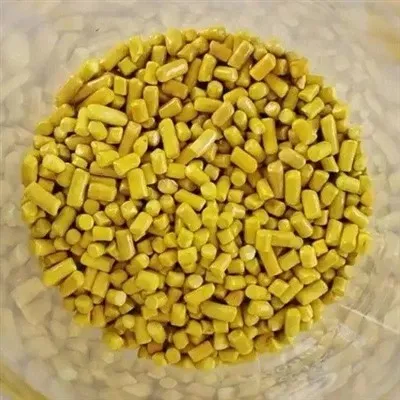
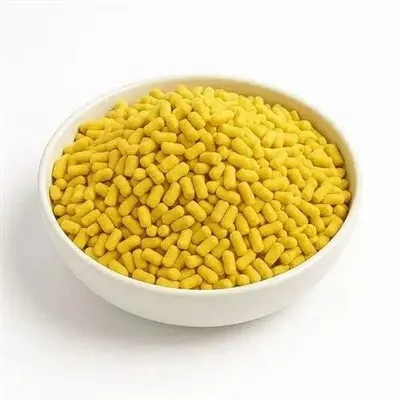
Sodium butyl xanthate (sodium O-butyldithiocarbonate) is the sodium salt of butyl xanthic acid and belongs to the xanthate family, an important class of organosulfur compounds. The technical product is a pale-yellow (yellow to light-yellow) powder or granular solid with an irritating odour. It is readily soluble in water and ethanol, is hygroscopic and deliquescent, and forms sparingly soluble compounds with many metal ions. It is generally manufactured by the xanthation reaction of n-butanol, sodium hydroxide and carbon disulfide; technical-grade material typically has a purity of 85%–95%.
This product is a flotation reagent with strong collecting power. It is widely used in the flotation of non-ferrous metal sulfide ores, and can also be used as a precipitation agent in hydrometallurgy and as a rubber vulcanisation accelerator. It is therefore a basic chemical raw material in the mineral processing and metallurgical industries.
2. Molecular Formula and Physicochemical Properties
Molecular formula: C5H9NaOS2; Molecular weight: 172.24; Structural formula: CH3CH2CH2CH2OCSSNa. The main physicochemical properties are listed below.
|
Item |
Specification / Description |
|
Appearance |
Pale-yellow (yellow to light-yellow) powder or granular solid |
|
Odour |
Irritating odour |
|
Solubility |
Readily soluble in water and ethanol |
|
Hygroscopicity |
Hygroscopic; deliquescent on exposure to moisture |
|
Melting Point |
Melts with decomposition (no sharp melting point) |
|
Boiling Point |
Approx. 168.6 °C (760 mmHg) |
|
Relative Density |
Approx. 1.101 g/cm³ |
|
Flash Point |
Approx. 55.7 °C |
|
Stability |
Stable under ambient conditions when kept sealed and dry |
Specification (for reference):
|
Item |
Dry Product |
Synthetic Product |
|
Active content, % (min.) |
90.0 |
84.0 |
|
Free alkali, % (max.) |
0.2 |
0.5 |
|
Water and volatiles, % (max.) |
4.0 |
10.0 |
3. Applications
Flotation collector: used as a collector for the flotation of non-ferrous metal sulfide ores such as copper, lead, zinc and nickel. Owing to its strong collecting power, it is particularly suitable for the flotation of chalcopyrite, sphalerite and pyrite. Under certain conditions it can be used for the preferential flotation of copper sulfide from iron sulfide ores, and also for the flotation of sphalerite activated with copper sulfate.
Hydrometallurgical precipitant: used for the precipitation and separation of metal ions in hydrometallurgical processes.
Rubber vulcanisation accelerator: used in rubber processing to improve the performance of rubber products.
Organic synthesis intermediate: used as an intermediate in organic synthesis for the manufacture of various chemicals.
4. Hazard Classification
In accordance with the GHS classification and labelling criteria, the hazard classification of this product is as follows.
|
Item |
Content |
|
Hazard classification |
Skin irritation, Category 2; Eye irritation, Category 2 |
|
Signal word |
Warning |
|
Pictogram |
GHS07 (exclamation mark) |
|
Hazard statements |
H315 Causes skin irritation; H319 Causes serious eye irritation |
|
Precautionary statements (Prevention) |
P264 Wash thoroughly after handling; P280 Wear protective gloves / protective clothing / eye protection / face protection |
|
Precautionary statements (Response) |
P302+P352 IF ON SKIN: Wash with plenty of water; P305+P351+P338 IF IN EYES: Rinse cautiously with water for several minutes. Remove contact lenses, if present and easy to do. Continue rinsing; P332+P313 If skin irritation occurs: Get medical advice/attention; P362+P364 Take off contaminated clothing and wash it before reuse |
|
Environmental hazard |
Toxic to aquatic life; avoid release to the environment |
5. Packaging
The product is supplied in sealed packages with an inner plastic liner. Common specifications are as follows.
Steel drums: 110 kg – 180 kg per drum (with inner plastic liner).
Wooden cases: 850 kg – 900 kg per case.
Woven bags: 25 kg – 50 kg per bag (with inner plastic liner).
Customised technical specifications and packaging can be provided in accordance with agreement.
6. Handling and Storage Precautions
(1) Storage and Transportation
Keep dry; protect from moisture, water and direct sunlight.
Store in a cool, dry and well-ventilated warehouse.
Keep containers tightly closed and away from fire and heat sources.
Store separately from oxidising agents, acids and incompatible materials. Never store or transport together with food, beverages or feed.
Store at ambient temperature; the shelf life is approximately 12 months. A first-in-first-out principle is recommended.
(2) Handling and Personal Protection
Ensure adequate ventilation at the workplace and avoid the generation of dust.
Wear protective gloves, a dust mask, goggles or a face shield, and suitable work clothing.
Avoid inhaling dust and avoid direct contact with skin and eyes. Wash thoroughly after handling.
Use anti-static tools and keep away from ignition sources to prevent fire caused by static discharge.
(3) First Aid Measures
Inhalation: move the victim to fresh air immediately. Give oxygen if breathing is difficult; if breathing has stopped, perform artificial respiration immediately and seek medical attention.
Skin contact: immediately remove contaminated clothing and wash with soap and plenty of water for at least 15 minutes. Seek medical attention if irritation occurs.
Eye contact: rinse immediately with plenty of water for at least 15 minutes. Remove contact lenses if present and easy to do, continue rinsing and seek medical attention.
Ingestion: rinse the mouth with water; do not induce vomiting. Never give anything by mouth to an unconscious person. Seek medical attention immediately.
(4) Firefighting and Spill Response
Firefighting: use dry powder, carbon dioxide or alcohol-resistant foam. Firefighters should wear self-contained breathing apparatus.
Spill: avoid dust generation, wear protective equipment, collect the spilled material into closed containers and prevent it from entering drains or watercourses.
Disposal: dispose of in accordance with local laws, regulations and environmental requirements. Never discharge at will.
Hot Tags: sodium butyl xanthate (sodium o-butyldithiocarbonate) sbx | cas 141-33-3 | c5h9naos2, China sodium butyl xanthate (sodium o-butyldithiocarbonate) sbx | cas 141-33-3 | c5h9naos2 manufacturers, factory, potassium amyl xanthate, Potassium Butyl Xanthate, Potassium Ethyl Xanthate, Potassium Isopropyl Xanthate, Sodium Isoamyl Xanthate, Sodium Isobutyl Xanthate
You Might Also Like
Send Inquiry