Foaming agents play a crucial role in a wide range of industries, from mining and construction to food and cosmetics. As a leading supplier of high - quality foaming agents, I am often asked about how these substances work. In this blog post, I will delve into the science behind foaming agents, exploring their mechanisms, types, and applications.
The Basics of Foam
Before we discuss how foaming agents work, it's important to understand what foam is. Foam is a dispersion of gas bubbles in a liquid or solid medium. In most cases, we are concerned with liquid foams, where gas bubbles are dispersed in a liquid. These bubbles are separated by thin liquid films, which are stabilized by the presence of a foaming agent.
The stability of foam depends on several factors, including the surface tension of the liquid, the viscosity of the liquid film, and the presence of surfactants (foaming agents). A stable foam has long - lasting bubbles that do not coalesce or burst easily.
How Foaming Agents Work
Foaming agents, also known as surfactants, work by reducing the surface tension of the liquid. Surface tension is the property of a liquid that causes it to minimize its surface area. In the absence of a foaming agent, the surface tension of a liquid tends to make the liquid form spherical droplets, as this shape has the minimum surface area for a given volume.
When a foaming agent is added to a liquid, the molecules of the foaming agent adsorb at the liquid - gas interface. The foaming agent molecules have a hydrophilic (water - loving) head and a hydrophobic (water - hating) tail. The hydrophilic head is attracted to the liquid, while the hydrophobic tail is attracted to the gas phase. This arrangement disrupts the cohesive forces between the liquid molecules at the surface, reducing the surface tension.
As the surface tension is reduced, it becomes easier to introduce gas into the liquid and form bubbles. The foaming agent molecules also help to stabilize the bubbles by forming a protective layer around them. This layer prevents the bubbles from coalescing (merging together) and bursting, thus increasing the stability of the foam.
Types of Foaming Agents
There are several types of foaming agents, each with its own unique properties and applications. Some of the most common types include:
Anionic Foaming Agents
Anionic foaming agents have a negatively charged hydrophilic head. They are widely used in detergents, shampoos, and other cleaning products. Anionic foaming agents are effective at reducing surface tension and can produce a rich, stable foam.
Cationic Foaming Agents
Cationic foaming agents have a positively charged hydrophilic head. They are often used in fabric softeners and hair conditioners. Cationic foaming agents can also have antibacterial properties, which makes them suitable for use in some personal care products.
Non - ionic Foaming Agents
Non - ionic foaming agents do not have a charge on their hydrophilic head. They are less sensitive to pH changes and can be used in a wide range of formulations. Non - ionic foaming agents are commonly used in food products, pharmaceuticals, and industrial applications.
Amphoteric Foaming Agents
Amphoteric foaming agents can have either a positive or negative charge, depending on the pH of the solution. They are mild and have good compatibility with other ingredients, making them suitable for use in sensitive skin products.
Specific Foaming Agents in Our Product Portfolio
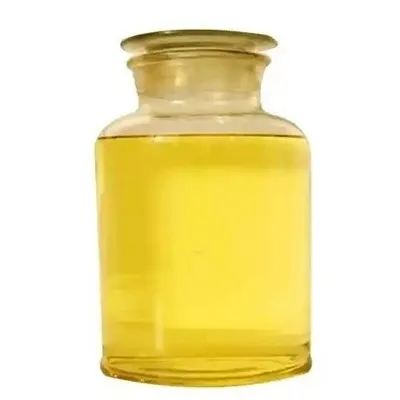
In our product portfolio, we offer a variety of high - performance foaming agents. Two of the most popular ones are Methyl Isobutyl Carbinol (MIBC) and Pine Oil.
Methyl Isobutyl Carbinol (MIBC) is a widely used foaming agent in the mining industry. It is effective at creating a stable foam that helps to separate valuable minerals from gangue (unwanted rock). MIBC has a low viscosity, which allows it to spread easily on the surface of the liquid and form a thin, stable film around the gas bubbles.
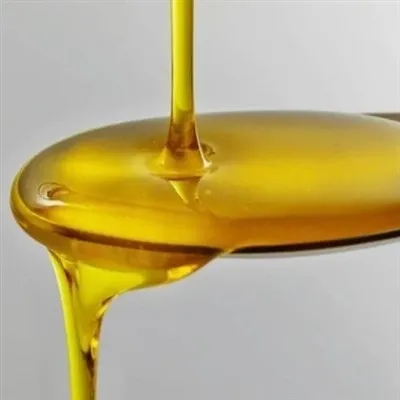
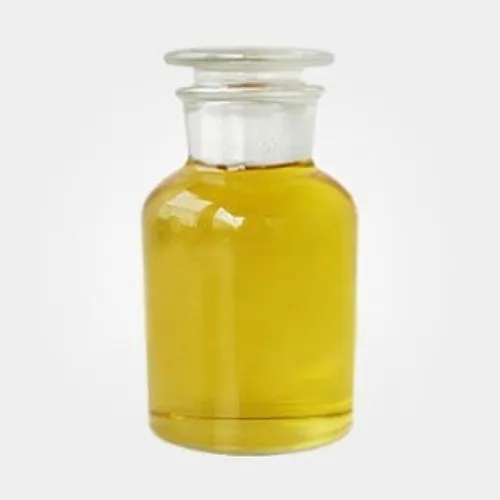
Pine Oil is a natural foaming agent that has been used for many years in various industries. It is derived from pine trees and has a pleasant smell. Pine Oil is a good foaming agent because it contains terpenes, which are organic compounds that can reduce surface tension. It is often used in cleaning products, as well as in some food and beverage applications.
Applications of Foaming Agents
Foaming agents are used in a wide variety of applications, including:
Mining
In the mining industry, foaming agents are used in froth flotation, a process used to separate valuable minerals from gangue. The foaming agent creates a stable foam on the surface of the flotation cell, and the hydrophobic minerals attach to the air bubbles in the foam. The foam is then skimmed off the surface, leaving the gangue behind.
Construction
In construction, foaming agents are used to produce lightweight concrete. The foam is mixed with the concrete mixture, creating air voids in the concrete. These air voids reduce the density of the concrete, making it lighter and more insulating.
Food and Beverage
In the food and beverage industry, foaming agents are used to create foams in products such as beer, whipped cream, and meringues. The foaming agents help to stabilize the foam and give the products a desirable texture.
Cosmetics and Personal Care
In cosmetics and personal care products, foaming agents are used in shampoos, body washes, and facial cleansers. They create a rich, luxurious foam that helps to remove dirt and oil from the skin and hair.
Factors Affecting the Performance of Foaming Agents
The performance of foaming agents can be affected by several factors, including:
Concentration
The concentration of the foaming agent in the solution is an important factor. Generally, increasing the concentration of the foaming agent will increase the foamability and stability of the foam. However, there is a point where increasing the concentration further will not result in a significant improvement in foam performance, and it may even cause problems such as excessive foam or reduced compatibility with other ingredients.
Temperature
Temperature can also affect the performance of foaming agents. In general, increasing the temperature can reduce the surface tension of the liquid, which can enhance foam formation. However, at very high temperatures, the foam may become less stable, as the liquid film around the bubbles may evaporate more quickly.
pH
The pH of the solution can have a significant impact on the performance of foaming agents, especially for ionic foaming agents. The charge on the hydrophilic head of ionic foaming agents can be affected by the pH of the solution, which can in turn affect their ability to reduce surface tension and stabilize the foam.
Presence of Other Substances
The presence of other substances in the solution, such as salts, oils, and polymers, can also affect the performance of foaming agents. Some substances may interact with the foaming agent molecules, either enhancing or reducing their foaming properties.
Conclusion
Foaming agents are essential substances that play a vital role in many industries. By reducing the surface tension of liquids and stabilizing gas bubbles, they enable the formation of stable foams that have a wide range of applications. As a foaming agent supplier, we are committed to providing high - quality products that meet the diverse needs of our customers.
If you are interested in learning more about our foaming agents or would like to discuss your specific requirements, please feel free to contact us. We look forward to the opportunity to work with you and provide you with the best foaming solutions for your business.
References
- Adamson, A. W., & Gast, A. P. (1997). Physical Chemistry of Surfaces. Wiley.
- Rosen, M. J., & Kunjappu, J. T. (2012). Surfactants and Interfacial Phenomena. Wiley.
- Sjoblom, J., et al. (Eds.). (2003). Emulsions and Foams. Marcel Dekker.