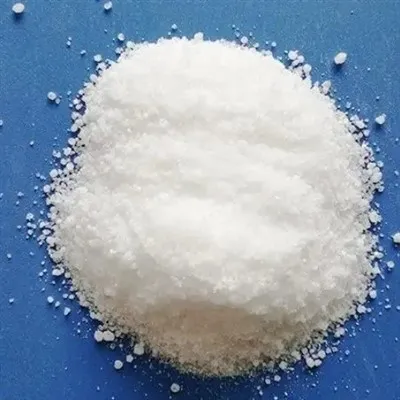
Thiourea is a well - known leaching agent that has gained significant attention in the field of metal extraction, especially in the recovery of precious metals such as gold and silver. As a supplier of Thiourea Leaching Agent, I am often asked about its possible interactions with other chemicals in the leaching system. These interactions can greatly affect the leaching efficiency, selectivity, and environmental impact of the overall process.
1. Interactions with Oxidizing Agents
In a leaching system, oxidizing agents play a crucial role in facilitating the dissolution of metals. One of the most common oxidizing agents used in conjunction with thiourea is hydrogen peroxide (H₂O₂). The reaction between thiourea and hydrogen peroxide is complex. Hydrogen peroxide can oxidize thiourea to form a series of oxidized products. The initial oxidation step typically leads to the formation of formamidine disulfide, which is believed to be an important intermediate in the leaching process of precious metals.
[2CS(NH₂)₂+ H₂O₂\rightarrow(NH₂)(NH)CS - S - C(NH)(NH₂)+ 2H₂O]
This formamidine disulfide is capable of reacting with gold and silver to form soluble complexes, thus enabling their extraction from the ore matrix. However, an excessive amount of hydrogen peroxide can over - oxidize thiourea, leading to the formation of less - effective or even inactive sulfur - containing compounds. This over - oxidation can reduce the leaching efficiency and increase the consumption of thiourea. Therefore, careful control of the dosage of hydrogen peroxide is essential to optimize the leaching process.
Another important oxidizing agent is ferric ions (Fe³⁺). Ferric ions can oxidize thiourea in a similar way to hydrogen peroxide. The reaction between ferric ions and thiourea is as follows:
[2Fe^{3 +}+ 2CS(NH₂)₂\rightarrow2Fe^{2 +}+(NH₂)(NH)CS - S - C(NH)(NH₂)+ 2H^{+}]
The presence of ferric ions can enhance the leaching rate of precious metals by promoting the formation of the active leaching species. However, the concentration of ferric ions also needs to be carefully regulated. High concentrations of ferric ions can cause the precipitation of iron - hydroxide complexes in the leaching solution at higher pH values, which can interfere with the leaching process and reduce the availability of thiourea.
2. Interactions with pH - Adjusting Agents
The pH of the leaching solution is a critical factor that affects the performance of the thiourea leaching agent. Generally, thiourea leaching of precious metals is carried out under acidic conditions. Common pH - adjusting agents include sulfuric acid (H₂SO₄) and hydrochloric acid (HCl).
Sulfuric acid is widely used to acidify the leaching solution because it is relatively cheap and readily available. When sulfuric acid is added to the thiourea leaching system, it not only adjusts the pH but also provides sulfate ions. These sulfate ions can form complexes with some metal ions in the solution, which may have both positive and negative effects on the leaching process. For example, sulfate complexes can sometimes enhance the stability of the precious metal - thiourea complexes, improving the leaching efficiency. On the other hand, excessive sulfate ions can also lead to the precipitation of some metal sulfates, reducing the availability of the metal ions for leaching.
Hydrochloric acid can also be used as a pH - adjusting agent. However, the chloride ions introduced by hydrochloric acid can have different effects compared to sulfate ions. Chloride ions can form chloro - complexes with some metal ions, which may compete with thiourea for the metal ions. In some cases, the formation of chloro - complexes can reduce the leaching efficiency of precious metals by thiourea. Therefore, the choice between sulfuric acid and hydrochloric acid as a pH - adjusting agent depends on the specific composition of the ore and the leaching conditions.
3. Interactions with Cyanide - Based Leaching Agents
Cyanide - based leaching agents, such as Sodium Cyanide and Potassium Cyanide, have been traditionally used in the gold mining industry. Although thiourea is considered an alternative to cyanide due to its relatively lower toxicity, there are some possible interactions between thiourea and cyanide - based agents when they are present in the same leaching system.
In an acidic environment, thiourea and cyanide can react with each other. Cyanide can react with the oxidation products of thiourea, such as formamidine disulfide, to form various sulfur - containing cyanide compounds. These reactions can reduce the effectiveness of both thiourea and cyanide as leaching agents. Moreover, the presence of cyanide in the thiourea leaching system can increase the environmental risk because cyanide is a highly toxic substance. Therefore, it is generally not recommended to use thiourea and cyanide - based agents simultaneously in the leaching process.
4. Interactions with Other Metal Ions
In a real - world leaching system, the ore usually contains a variety of metal ions, such as copper, lead, zinc, and iron. These metal ions can interact with the thiourea leaching agent in different ways.
Copper ions (Cu²⁺) can have a significant impact on the thiourea leaching process. Copper ions can react with thiourea to form copper - thiourea complexes. In some cases, the formation of these complexes can enhance the leaching of precious metals by acting as a catalyst. However, if the concentration of copper ions is too high, it can also lead to the consumption of a large amount of thiourea, reducing its availability for the leaching of precious metals.
Lead and zinc ions can also form complexes with thiourea. These complexes may not be as effective as the ones formed with precious metals, but they can still consume thiourea. In addition, the presence of lead and zinc ions can sometimes cause the precipitation of insoluble compounds in the leaching solution, which can interfere with the leaching process.
5. Environmental Considerations and the Role of Thiourea as an Environmentally Friendly Gold Extraction Agent
One of the main advantages of using thiourea as a leaching agent is its relatively lower toxicity compared to cyanide - based agents. However, the interactions between thiourea and other chemicals in the leaching system can still have environmental implications.
For example, the oxidation products of thiourea may have some potential environmental impacts. If not properly managed, these oxidation products can be released into the environment and cause pollution. Therefore, it is important to design the leaching process in such a way that the formation of harmful oxidation products is minimized.
Moreover, the use of pH - adjusting agents and other chemicals in the leaching system can affect the quality of the wastewater. The wastewater from the thiourea leaching process needs to be treated carefully to remove any residual chemicals and metal ions before it is discharged into the environment.
Conclusion
The interactions between the Thiourea Leaching Agent and other chemicals in the leaching system are complex and diverse. These interactions can have a significant impact on the leaching efficiency, selectivity, and environmental impact of the overall process. As a supplier of Thiourea Leaching Agent, we understand the importance of providing high - quality products and technical support to our customers. We are committed to helping our customers optimize their leaching processes by considering the possible interactions between thiourea and other chemicals.
If you are interested in learning more about our Thiourea Leaching Agent or have any questions regarding its application in your leaching system, please feel free to contact us for a detailed discussion. We look forward to the opportunity to work with you and contribute to the success of your metal extraction projects.
References
- Marsden, J. O., & House, C. I. (2006). The Chemistry of Gold Extraction. Society for Mining, Metallurgy, and Exploration.
- Senanayake, G. (2004). Leaching of gold by thiourea: Optimization, kinetics and electrochemical studies. Hydrometallurgy, 73(3 - 4), 203 - 210.
- Ritcey, G. M. (1991). Extractive Metallurgy of Gold. Mineralogical Association of Canada.