Hydroxamic acids are a class of organic compounds that contain the -CONHOH functional group. They have attracted significant attention in the scientific community due to their diverse biological activities and potential applications in various fields, including medicine, agriculture, and materials science. One of the most intriguing aspects of hydroxamic acids is their ability to interact with enzymes, which plays a crucial role in many biological processes. In this blog, as a hydroxamic acid supplier, I will delve into how hydroxamic acids interact with enzymes, exploring the underlying mechanisms and potential implications for different industries.
General Mechanisms of Hydroxamic Acid - Enzyme Interactions
Hydroxamic acids can interact with enzymes through multiple mechanisms. One of the primary ways is by acting as inhibitors. Enzymes are biological catalysts that speed up chemical reactions in living organisms. Many enzymes rely on metal ions, such as zinc, iron, or copper, at their active sites for their catalytic activity. Hydroxamic acids have a strong affinity for these metal ions. The oxygen and nitrogen atoms in the -CONHOH group can form coordinate bonds with the metal ions present in the enzyme's active site.
For example, in the case of matrix metalloproteinases (MMPs), which are a family of enzymes involved in the degradation of extracellular matrix proteins, hydroxamic acids can chelate the zinc ion at the active site. The formation of a stable complex between the hydroxamic acid and the zinc ion disrupts the normal catalytic function of the enzyme, inhibiting its activity. This inhibitory effect has made hydroxamic acids potential candidates for the development of drugs to treat diseases associated with excessive MMP activity, such as cancer metastasis and arthritis.
Another mechanism of interaction is through hydrogen bonding. Hydroxamic acids can form hydrogen bonds with amino acid residues in the enzyme's active site or in the vicinity. These hydrogen bonds can stabilize the enzyme - hydroxamic acid complex and can either enhance or interfere with the enzyme's normal function. For instance, if the hydrogen bonding occurs in a way that blocks the access of the substrate to the active site, it can lead to enzyme inhibition. On the other hand, in some cases, the hydrogen bonding may help in the proper positioning of the hydroxamic acid for a more favorable interaction with the enzyme.
Specific Examples of Hydroxamic Acid - Enzyme Interactions
Let's take a closer look at some specific types of hydroxamic acids and their interactions with different enzymes.
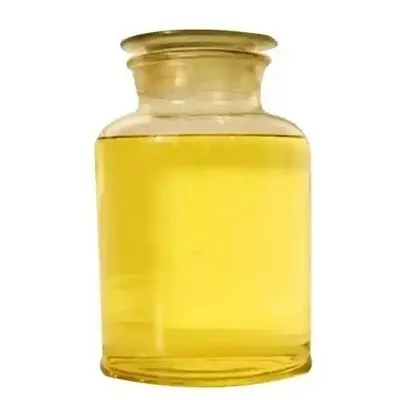
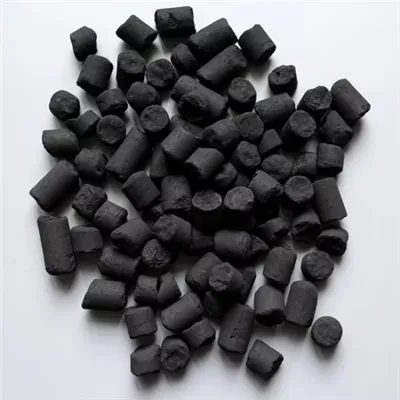
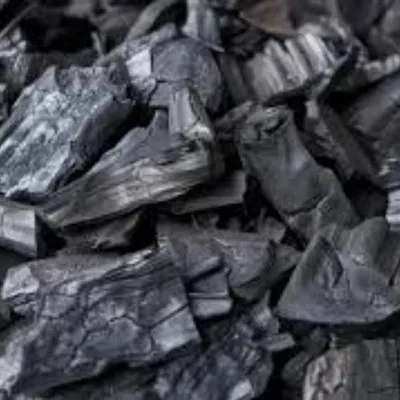
Sodium Alkyl Hydroxamate: Sodium alkyl hydroxamates, which you can learn more about Sodium Alkyl Hydroxamate, have been widely used in the field of mineral processing as flotation collectors. In biological systems, they can also interact with enzymes. For example, in certain soil - dwelling microorganisms, these compounds may interact with enzymes involved in the uptake and metabolism of metal ions. The alkyl chain in sodium alkyl hydroxamates can provide hydrophobic interactions with the enzyme's active site or other hydrophobic pockets on the enzyme surface, in addition to the chelation of metal ions and hydrogen bonding. This multi - faceted interaction can significantly affect the enzyme's activity and can potentially be exploited for bioremediation or other environmental applications.
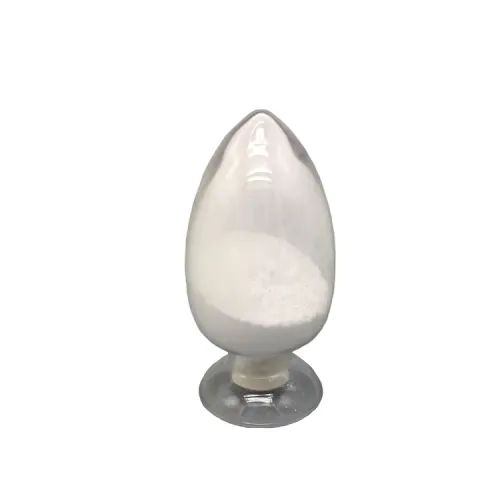
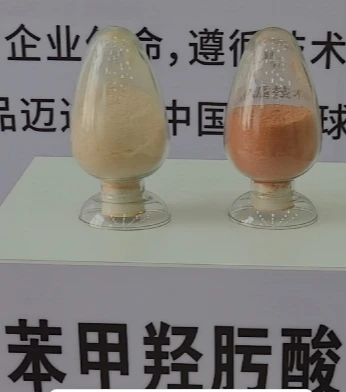
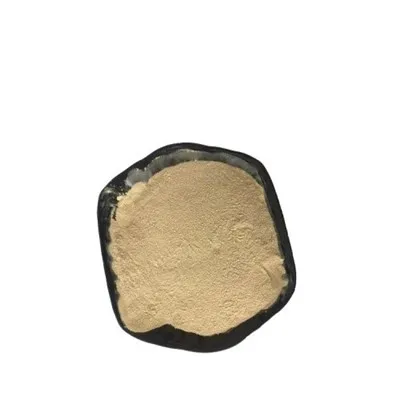
Benzohydroxamic Acid: Benzohydroxamic Acid has been extensively studied for its interactions with enzymes such as urease. Urease is an enzyme that catalyzes the hydrolysis of urea into ammonia and carbon dioxide. Benzohydroxamic acid can act as a competitive inhibitor of urease. It binds to the active site of urease, competing with the natural substrate (urea) for the binding site. The benzene ring in benzohydroxamic acid provides additional hydrophobic interactions with the enzyme, enhancing the stability of the enzyme - inhibitor complex. This property has made benzohydroxamic acid a promising compound for the control of urease - related problems in agriculture, such as reduced nitrogen loss from urea fertilizers.
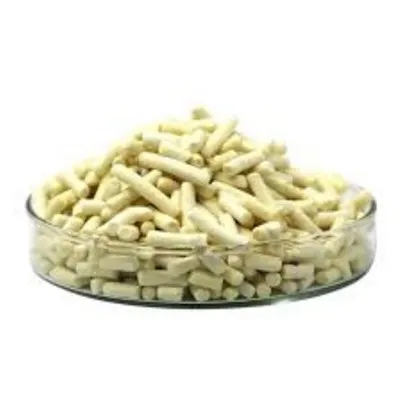
Alkyl Hydroximic Acid: Alkyl Hydroximic Acid shows interesting interactions with enzymes in the context of plant - pathogen interactions. Some plant - associated enzymes, such as peroxidases, are involved in the plant's defense mechanisms against pathogens. Alkyl hydroximic acids can modulate the activity of these enzymes. They may either activate or inhibit peroxidases depending on the concentration and the specific structure of the alkyl chain. By interacting with these defense - related enzymes, alkyl hydroximic acids have the potential to enhance the plant's resistance to diseases and pests, which is of great interest in the field of agriculture.
Implications for Industry
The ability of hydroxamic acids to interact with enzymes has far - reaching implications for different industries.
In the pharmaceutical industry, the development of hydroxamic acid - based enzyme inhibitors holds great promise. As mentioned earlier, MMP inhibitors based on hydroxamic acids are being investigated for the treatment of cancer and other diseases. By specifically targeting the enzymes involved in disease processes, these compounds can potentially provide more effective and less toxic therapies. Additionally, the understanding of hydroxamic acid - enzyme interactions can also guide the design of new drugs with improved pharmacological properties.
In the agricultural industry, hydroxamic acids can be used to develop novel pesticides and fertilizers. For example, by modulating the activity of plant enzymes involved in growth and defense, these compounds can enhance crop yield and resistance to pests and diseases. Moreover, the use of hydroxamic acids to control urease activity in soil can improve the efficiency of nitrogen fertilizer use, reducing environmental pollution.
In the biotechnology industry, hydroxamic acids can be used in enzyme engineering and purification. Their ability to interact with enzymes can be exploited to create affinity chromatography columns for the selective purification of specific enzymes. This can simplify the purification process and improve the purity and yield of the target enzymes.
Conclusion
In conclusion, hydroxamic acids interact with enzymes through a variety of mechanisms, including metal ion chelation, hydrogen bonding, and hydrophobic interactions. Different types of hydroxamic acids, such as sodium alkyl hydroxamates, benzohydroxamic acid, and alkyl hydroximic acids, show unique interactions with specific enzymes, which have significant implications for multiple industries.
As a hydroxamic acid supplier, we are committed to providing high - quality hydroxamic acid products to meet the diverse needs of our customers. Whether you are in the pharmaceutical, agricultural, or biotechnology industry, our products can offer potential solutions for your research and development projects. If you are interested in exploring the applications of hydroxamic acids in your field or have any questions about our products, we encourage you to contact us for a procurement discussion. We look forward to partnering with you to unlock the full potential of hydroxamic acids.
References
- Bode, W., & Maskos, K. (2003). Mechanisms of metalloprotease inhibition by hydroxamic acid - based compounds. Current Pharmaceutical Design, 9(1), 1-32.
- Bremner, J. B., & Venkatraman, K. (2002). Coordination chemistry of hydroxamic acids and hydroxamates. Coordination Chemistry Reviews, 228(1-2), 167-200.
- Singh, B. R., & Walker, T. S. (2006). Role of the plant - produced hydroxamic acids in the development of sustainable cropping systems. Journal of Chemical Ecology, 32(8), 1699-1729.